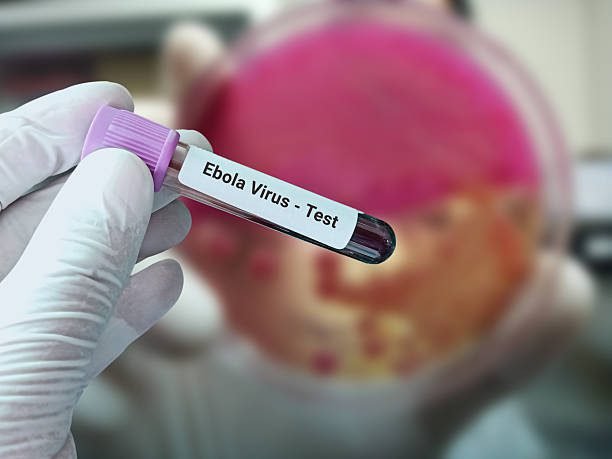
The decision by the United States to provide an experimental Ebola treatment during the latest outbreak in Democratic Republic of the Congo represents an important step in the global fight against one of the world’s deadliest diseases. It highlights how international cooperation and scientific innovation can play a critical role during public health emergencies.
In my view, the use of experimental treatments in outbreak situations can be justified when there is an urgent need to save lives and limited treatment options are available. While such therapies must be carefully monitored for safety and effectiveness, they can provide hope to patients and valuable data for future medical advancements.
The move also brings researchers closer to understanding whether these treatments can be used more widely in future Ebola outbreaks. Every outbreak presents an opportunity to gather scientific evidence that may help improve survival rates and strengthen global preparedness against infectious diseases.
However, it is important that clinical trials and emergency treatment programs are conducted transparently and ethically. Local communities must be informed about the benefits and potential risks, and healthcare workers should receive the resources needed to implement treatments safely.
The Ebola outbreak in Congo is a reminder that infectious diseases remain a global challenge that extends beyond national borders. Supporting affected countries through medical assistance, research, and funding is not only a humanitarian responsibility but also an investment in global health security.
Ultimately, the deployment of experimental Ebola treatments offers cautious optimism. If proven effective, these therapies could become valuable tools in reducing deaths and improving responses to future outbreaks, while demonstrating the importance of continued investment in medical research and international collaboration.