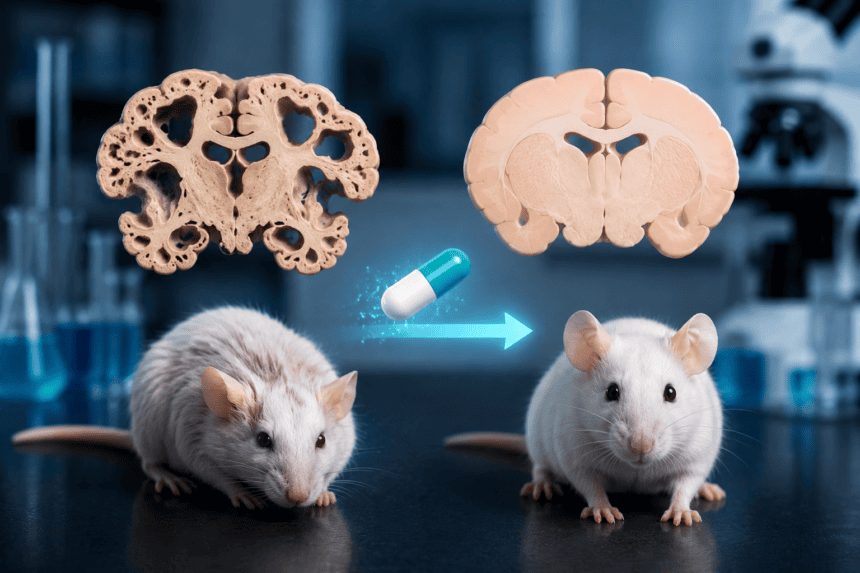
Researchers have developed a new experimental drug that has demonstrated the ability to slow the progression of Alzheimer’s disease in mice, offering fresh hope in the search for more effective treatments for the neurodegenerative disorder.
According to the study, the drug helped reduce key signs of Alzheimer’s in laboratory mice, including the buildup of harmful proteins in the brain that are associated with memory loss and cognitive decline. Researchers also observed improvements in learning and memory functions among treated animals compared to those that did not receive the medication.
Scientists noted that while the findings are encouraging, the treatment remains in the early stages of development. Additional studies will be required to assess the drug’s safety and effectiveness before it can be tested in humans through clinical trials.
Alzheimer’s disease affects millions of people worldwide and is the most common cause of dementia. Despite significant advances in research, scientists continue to seek therapies that can slow or halt the progression of the disease rather than simply manage its symptoms.
Experts say the latest findings represent an important step forward in Alzheimer’s research, though they caution that successful results in animal studies do not always translate directly to humans. Further investigation will determine whether the new drug has the potential to become a viable treatment option in the future.