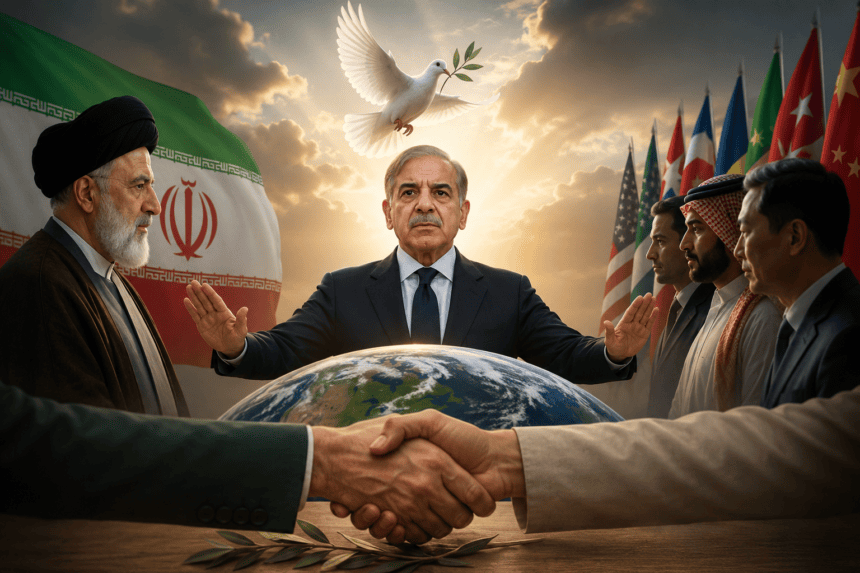
Prime Minister Shehbaz Sharif has issued a sharp warning to Iran and other regional stakeholders, urging them to exercise “maximum restraint” to protect the fragile stability of the Middle East. The message comes as tensions reach a boiling point following recent cross-border military escalations.
The Prime Minister’s statement serves as a direct appeal to avoid further military maneuvers that risk spiraling into a broader regional conflict. For Islamabad, the stakes are high. Any sustained instability in the region threatens to derail Pakistan’s own delicate economic recovery efforts and complicates its complex diplomatic balancing act between Tehran and Riyadh.
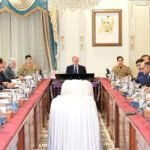
“The hard-earned peace gains must not be squandered,” the Prime Minister told officials during a high-level briefing in Islamabad. He emphasized that the current geopolitical climate is far too volatile to withstand further miscalculations.
The warning follows a series of tit-for-tat strikes between Iran and its neighbors, which have caught the international community off guard. While Pakistan has maintained a policy of non-interference, the Foreign Office has repeatedly signaled that the country cannot afford the economic and security fallout of a regional war.
For the administration, the goal is clear: prevent the conflict from spilling over into trade routes or domestic security. Analysts suggest the PM’s intervention is an attempt to signal to Western allies that Pakistan remains a voice for de-escalation, even as it navigates its own internal political and fiscal crises.
The Foreign Office is now working through back-channel communications to ensure that regional players understand the cost of continued brinkmanship.
Whether these calls for restraint will resonate in Tehran remains an open question, but the Prime Minister has made his position clear: the region needs a cooling-off period, not another front in an already fractured landscape.