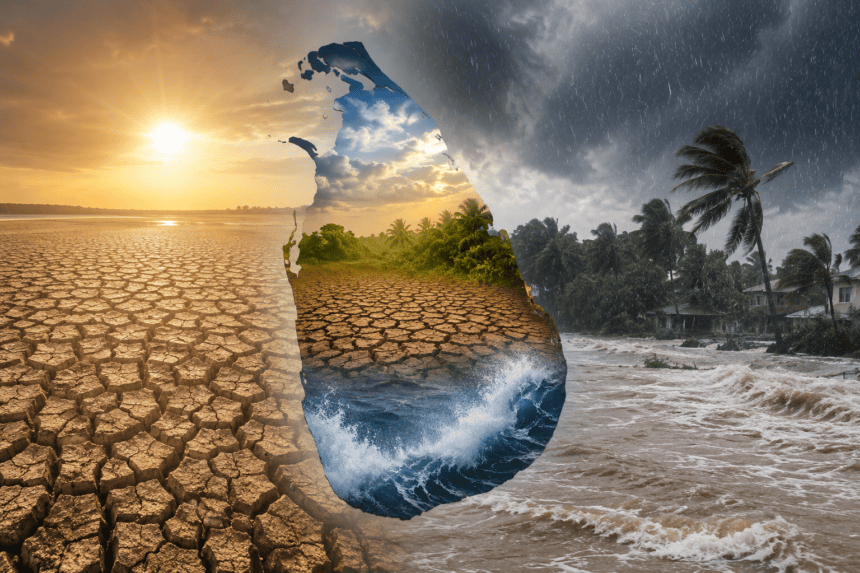
COLOMBO — Sri Lanka’s meteorological department issued a stark warning this week: the country faces a brutal cycle of extreme weather driven by the strengthening El Niño phenomenon. Officials expect a volatile mix of prolonged dry spells followed by intense, damaging rainfall.
The Department of Meteorology expects the climate pattern to disrupt traditional monsoon cycles. For an island nation heavily dependent on rain-fed agriculture and hydroelectric power, the implications are immediate. Water levels in key reservoirs have already become a point of concern for the Ministry of Power and Energy.
“We are preparing for a dual crisis,” a senior meteorologist told local reporters Tuesday. “The challenge isn’t just the lack of rain; it’s the lack of predictability.”
Farmers are already feeling the pressure. The agricultural sector, which accounts for a significant portion of the country’s workforce, faces a potential shortfall in the upcoming Maha harvest. Should the predicted dry spell take hold, irrigation systems will struggle to meet demand. Conversely, the arrival of unexpected, heavy rains—common in the latter stages of an El Niño cycle—threatens to destroy crops nearing maturity.
The government is now scrambling to manage water resources. Authorities have instructed dam operators to prioritize hydroelectric generation while maintaining enough reserves for the irrigation needs of the North Central Province. It’s a delicate balancing act that leaves little margin for error.
Economic recovery remains fragile in the wake of the country’s recent financial collapse. Analysts warn that any significant hit to food security or energy output could derail the modest gains made over the last eighteen months. The cost of importing food, should local yields fail, would place renewed strain on the nation’s dwindling foreign exchange reserves.
Disaster management teams are on high alert. While the focus remains on water security, agencies are also updating flood-response protocols. The memory of past flash floods, which caused widespread infrastructure damage in the country’s central highlands, keeps emergency responders in a state of constant readiness.
For now, the government has urged the public to conserve water and prepare for potential power rationing. Whether these measures will be enough to shield the economy from the coming climate volatility remains the central question for policymakers in Colombo.