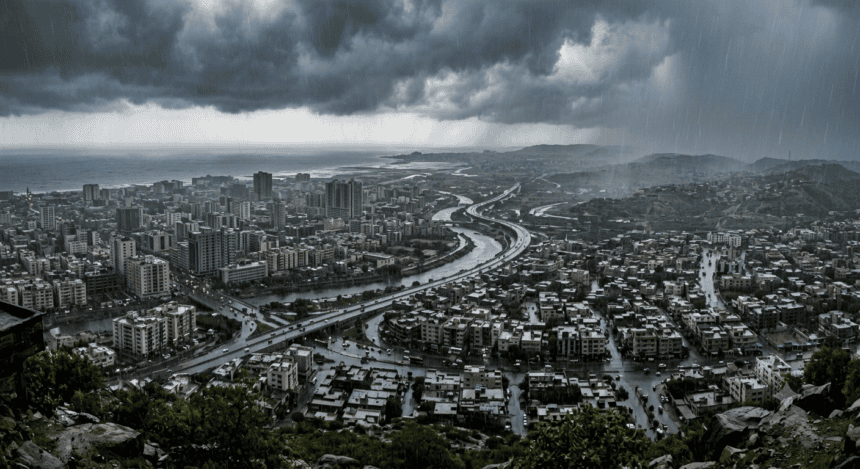
Heavy monsoon rains are expected to sweep across Sindh, including Karachi, by August 2, as a fresh weather system moves in from the Arabian Sea. The Pakistan Meteorological Department (PMD) confirmed the shift Tuesday, warning of potential urban flooding in low-lying areas.
This isn’t just a passing shower. Meteorologists expect the system to linger, dumping significant rainfall across the province through the end of the week. For Karachi, the city’s aging drainage infrastructure remains the primary point of failure. With the ground already saturated from previous spells, even moderate downpours often trigger localized flooding in districts like Central and Korangi.
The Provincial Disaster Management Authority (PDMA) has already issued a high-alert notice to district administrations. They’ve directed local authorities to clear storm drains and position heavy machinery in areas historically prone to water accumulation.
“We are monitoring the system’s intensity,” a senior PMD forecaster told reporters. “The moisture feed from the sea is strong, and it will hit the coastal belt first.”
For residents, the forecast brings a familiar anxiety. The city’s power distribution network—frequently crippled by water entering underground cables—is the next point of concern. Residents in neighborhoods like North Nazimabad and Gulshan-e-Iqbal have already begun bracing for the inevitable, if not prolonged, power outages that follow these weather events.
While the agricultural sector in rural Sindh welcomes the moisture for Kharif crops, the urban reality is starkly different. The provincial government has yet to announce any specific traffic contingency plans, leaving commuters to navigate the city’s arterial roads that typically turn into bottlenecks during heavy rain.
As the clouds gather, the city waits to see if the municipal response will finally match the intensity of the storm.