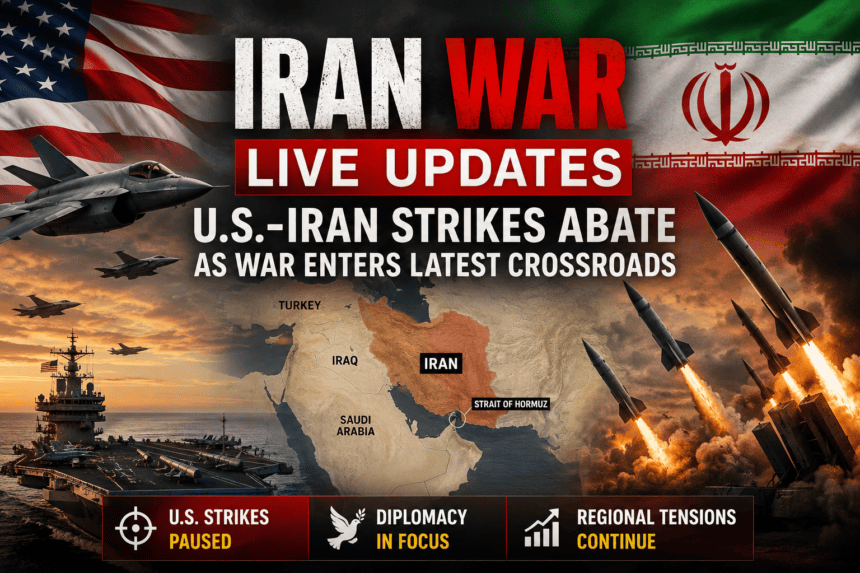
WASHINGTON/TEHRAN: The conflict between the United States and Iran has entered a critical new phase after nearly two weeks of intense military exchanges. For the first time since the escalation began, U.S. airstrikes have paused, raising cautious hopes for diplomacy, although officials on both sides warn that the situation remains highly volatile.
According to U.S. officials, President Donald Trump ordered a temporary halt to planned military strikes while Washington assesses whether Tehran is prepared to engage in meaningful negotiations. The pause is not a formal ceasefire, and the White House has made it clear that military action could resume if diplomatic efforts fail or if American interests are threatened.
Diplomatic activity has intensified behind the scenes, with regional mediators working to reduce tensions. One of the key issues under discussion is restoring safe navigation through the Strait of Hormuz, a vital global oil shipping route that has been severely disrupted during the conflict. The closure and insecurity in the waterway have driven up international oil prices and raised concerns over global energy supplies.
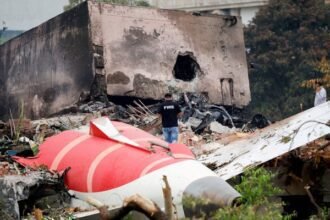
Despite the lull in direct U.S.-Iran strikes, the wider regional conflict continues to expand. Iran-backed Houthi forces in Yemen have launched missile and drone attacks on Saudi energy facilities, prompting retaliatory airstrikes by Saudi-led forces. At the same time, Iran has accused Ukraine of carrying out a drone attack on one of its vessels in the Caspian Sea, adding another layer of complexity to the crisis.
Military analysts caution that the current pause should not be viewed as the end of the conflict. U.S. naval forces remain deployed in the Gulf, regional allies are on high alert, and both Washington and Tehran continue to prepare for possible renewed hostilities. Officials say the coming days will be crucial in determining whether diplomacy can prevent a broader regional war or whether the conflict will escalate once again.