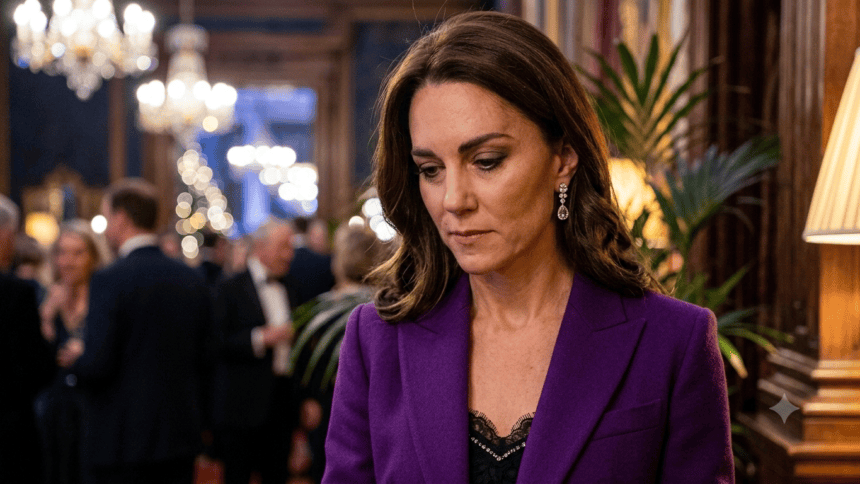
LONDON — Behind the scenes of Prince William and Kate Middleton’s historic November 2010 engagement, a concerted effort was underway at Kensington Palace to reshape the future queen’s public image. While Prince William affectionately referred to his fiancée as “Kate” during their famous televised interview with ITV’s Tom Bradby, veteran royal correspondent Simon Vigar revealed that media organizations were immediately briefed to drop the informal university nickname. Outlined in his book The Four Wives of Windsor, Vigar notes that journalists were directed to exclusively use her birth name, Catherine Elizabeth Middleton—the name consistently favored by her family and closest childhood confidantes, as opposed to the shortened version used by her university peers.
Despite this strict institutional push for “Catherine,” global media and internet users have largely ignored the protocol for over a decade due to the powerful mechanics of modern journalism and Search Engine Optimization (SEO). The monosyllabic “Kate” remains a necessity for tabloid editors fighting for limited print headline space, joining the ranks of historic royal shorthand like “Di” and “Meg.” Furthermore, because billions of web surfers worldwide default to searching “Kate Middleton” or “Princess Kate” on Google, international broadcasters continue to use the popular nickname to maximize their digital reach. While addressing her as “Princess Kate” technically violates ancient British heraldry laws—which dictate her title through her marriage rather than by birth—the media’s preference for the catchy shorthand has permanently cemented “Kate” in the global lexicon.