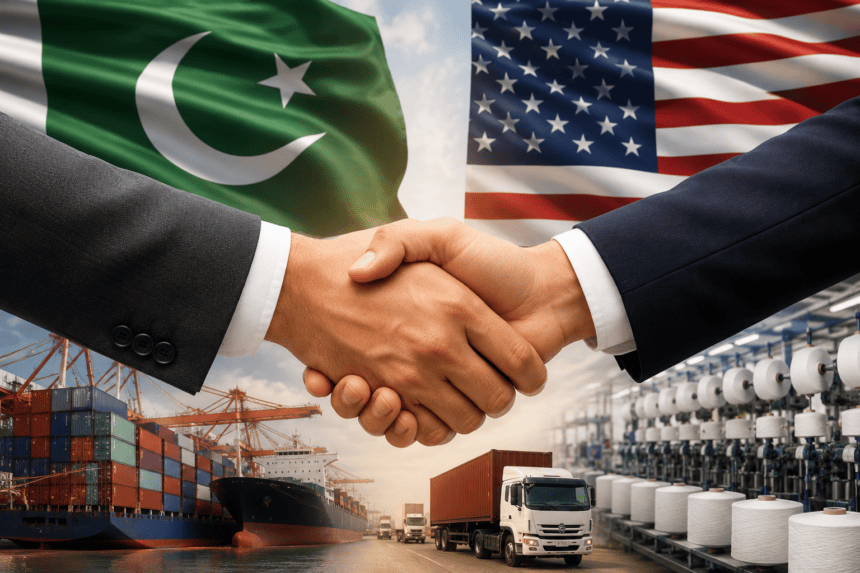
Finance Minister Ishaq Dar is betting on a massive expansion of economic ties with the United States, publicly setting a target to double bilateral trade to $20 billion within the next five years.
Speaking at a recent event, Dar framed the goal as an achievable milestone rather than a diplomatic aspiration. He pointed to existing untapped potential in the tech sector, agriculture, and textile exports as the primary engines for this growth.
The current trade volume sits closer to $10 billion, a figure that has fluctuated due to Pakistan’s persistent balance-of-payments crises and shifting global supply chains. Doubling this in half a decade requires more than just political goodwill; it demands structural reforms that the IMF has been pushing for years.
Critics remain cautious. The U.S. is already Pakistan’s largest single-country export market, but the relationship is often lopsided. Washington’s trade policy towards Islamabad is frequently tied to broader geopolitical considerations and security cooperation, factors that rarely move in a straight, predictable line.
Dar’s optimism relies heavily on the “Special Investment Facilitation Council” (SIFC), a civil-military hybrid body intended to fast-track foreign investment. By cutting through the notorious red tape that typically chokes domestic industry, the government hopes to make Pakistan a more attractive destination for American capital.
Whether this optimism translates into reality depends on two variables: Pakistan’s ability to stabilize its volatile currency and the willingness of U.S. investors to overlook the country’s high-risk credit rating.
For now, the math is on the table. Whether the market follows suit is a different question entirely.