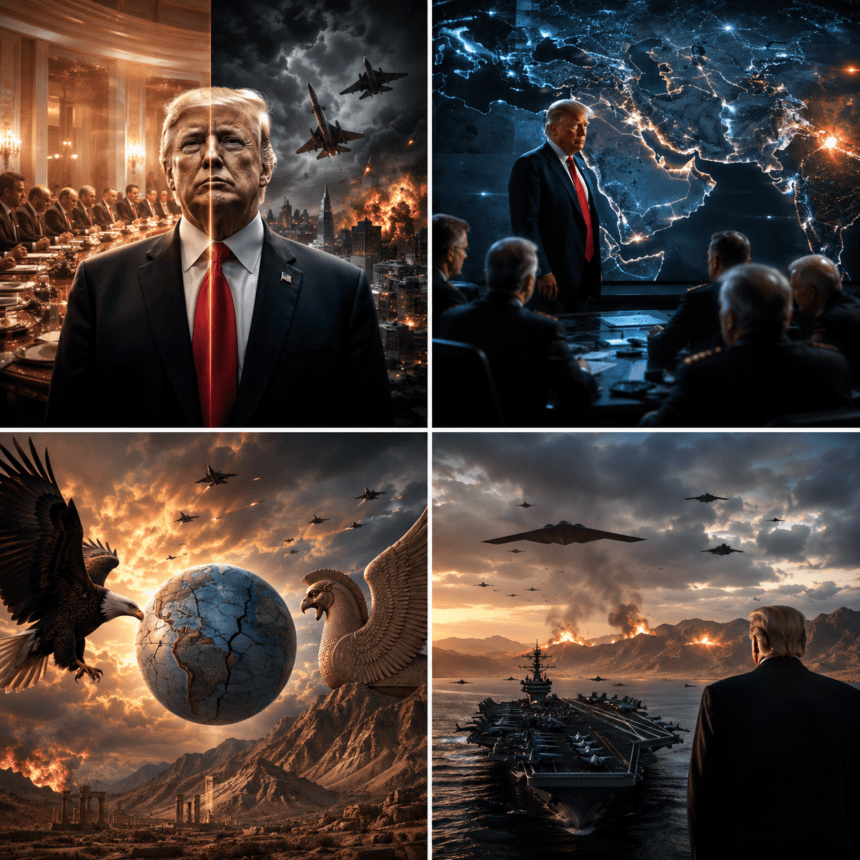
Donald Trump’s approach to Iran has never been a straight line. It is a volatile mix of “maximum pressure” sanctions, near-miss military strikes, and a persistent, almost contradictory desire for a “better deal.”
As he campaigns for a return to the White House, Trump’s rhetoric remains as unpredictable as his first term. He oscillates between branding the Iranian leadership an existential threat and boasting about his ability to bring them to the negotiating table with a single phone call.
“I don’t want to fight Iran,” Trump told reporters at his Mar-a-Lago club earlier this year. “But they can’t have a nuclear weapon.”
That sentiment defines the core of his doctrine: a refusal to engage in “endless wars,” coupled with an insistence on absolute dominance. During his presidency, this manifested in the 2018 withdrawal from the Joint Comprehensive Plan of Action (JCPOA). He called the Obama-era agreement “the worst deal ever made,” arguing it provided Tehran with a path to nuclear capability while funding regional proxies.
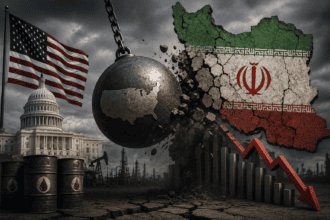
The fallout was immediate. Trump replaced diplomacy with a “maximum pressure” campaign, choking the Iranian economy with sweeping oil sanctions. The climax arrived in January 2020 with the drone strike that killed Qasem Soleimani, the commander of the Quds Force. It was a move that brought the two nations to the precipice of open conflict.
Yet, even after the subsequent Iranian retaliatory missile barrage on the Ain al-Asad airbase in Iraq, Trump’s reaction was measured. He chose to de-escalate rather than retaliate, signaling a deep-seated aversion to a full-scale ground war.
“We don’t need to be there,” he said at the time, eyeing the cost of American blood and treasure.
Critics argue this inconsistency creates a dangerous vacuum. They point to the rise in regional tensions—from drone attacks on shipping to proxy warfare—as proof that isolation doesn’t curb Tehran’s ambitions. To them, Trump’s “peace through strength” is merely a rebranding of strategic withdrawal that invites aggression.
Supporters see it differently. They view his unpredictability as his greatest asset. In their eyes, the threat of an erratic, decisive American president keeps Tehran off balance, forcing them to calculate risks they wouldn’t consider under a more traditional administration.
Trump’s recent campaign trail comments suggest he hasn’t moved from this position. He claims that had he remained in office, Iran would have been “broke” and forced to capitulate. He frames the current regional instability not as a failure of his past policies, but as a lack of resolve from his successor.
Whether this is a genuine strategy or campaign theater remains the central question. Trump’s Iran policy is less about a cohesive framework and more about the man himself: a leader who wants to be feared enough to avoid a fight, but who is never quite willing to close the door on a deal he can put his name on.
As the election nears, the message from his camp is clear: the status quo is broken, and only the dealmaker—or the hardliner—can fix it. The only thing missing is a blueprint.