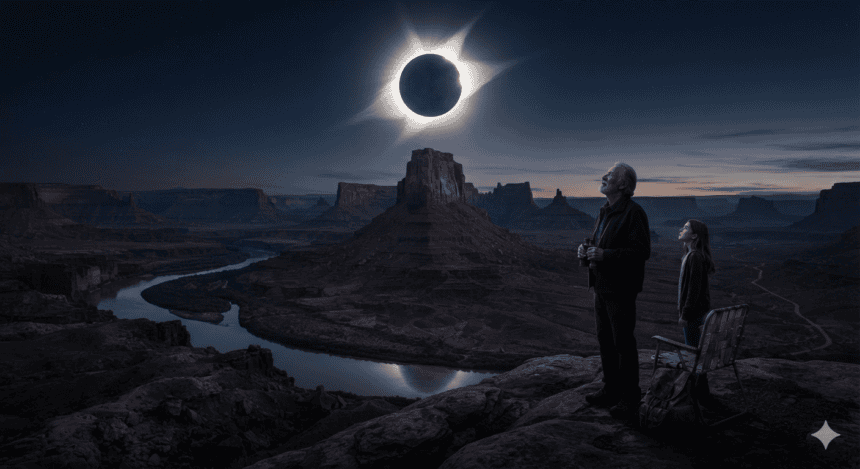
The moon will slip directly between the sun and Earth, casting a shadow that turns midday into twilight. While solar eclipses happen periodically, the specific path and duration of the upcoming event have astronomers calling it a “once or twice in a lifetime” occurrence for those in its direct line of sight.
Most people settle for a partial view. This time, the path of totality—the narrow corridor where the sun is entirely obscured—stretches across a densely populated region, providing a rare spectacle for millions who usually miss out on the full experience. It’s not just the darkness that draws crowds; it’s the sudden drop in temperature, the silence of local wildlife, and the brief appearance of the sun’s corona, a sight hidden by glare on any other day.
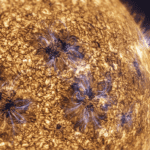
The rarity boils down to geometry and geography. Eclipses often track over the middle of the ocean or sparsely populated wilderness. When the moon’s shadow crosses major cities, it brings a logistical challenge for local authorities and a unique opportunity for researchers. Scientists are already prepping instruments to capture high-resolution data of the solar atmosphere, hoping to solve long-standing puzzles about the sun’s magnetic field.
Local businesses are bracing for the influx. Hotels along the path of totality have been booked for months, and cities are treating the event as both a public safety exercise and a tourism boom. Emergency management officials are warning residents to expect gridlock, as the surge of spectators will likely overwhelm infrastructure not built for such sudden density.
Safety remains the primary concern for health experts. Staring at the sun, even during a near-total eclipse, carries a high risk of permanent retinal damage. Ophthalmologists have spent weeks reiterating the same point: standard sunglasses don’t work. Specialized ISO-certified eclipse glasses are the only way to view the event safely, a warning that has led to a run on supplies at retailers nationwide.
This isn’t merely a backdrop for social media photos. For the scientific community, it’s a fleeting laboratory. For the spectators, it’s a reminder of the clockwork precision of the solar system.
As the moon completes its transit and the sun returns to full brightness, the crowd will disperse, the traffic will clear, and the event will pass into history. For most, the next chance to see such a spectacle in their own backyard won’t come for decades.