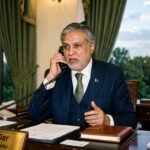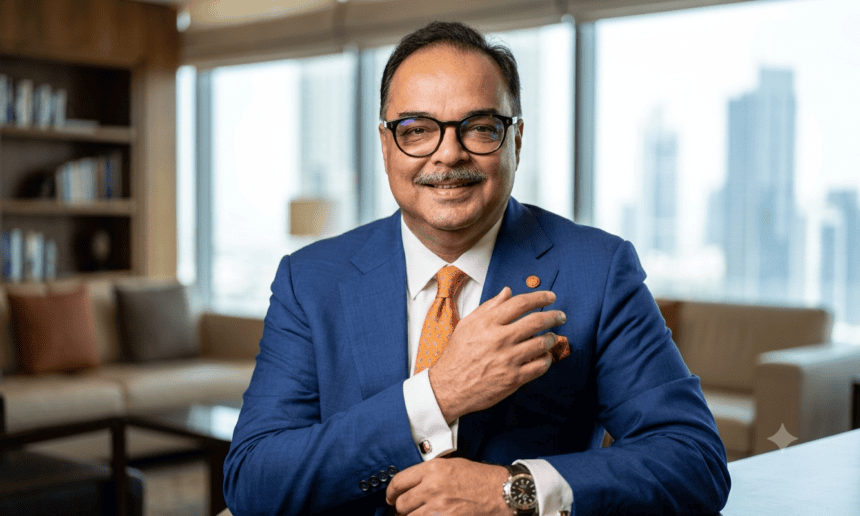
The head of the Bank of Punjab has called for a broader approach to measuring Pakistan’s economic progress, proposing the concept of “Welfare GDP” to ensure that economic growth translates into tangible improvements in the lives of ordinary citizens.
Speaking about the country’s economic priorities, the Bank of Punjab chief emphasized that an increase in Gross Domestic Product (GDP) should not be considered the only indicator of national development. While economic growth remains important, its real value lies in whether it creates better opportunities and improves living standards for people across society.
Under the proposed “Welfare GDP” approach, economic performance would be assessed alongside indicators such as employment generation, poverty reduction, access to healthcare and education, income opportunities and the availability of basic public services.
The concept highlights the importance of inclusive economic growth, under which the benefits of development are not limited to businesses or higher-income groups but also reach low- and middle-income households. A growing economy, according to this approach, should result in better living conditions and greater economic security for the wider population.
The Bank of Punjab chief’s proposal also points toward the need for policymakers to look beyond headline economic figures when evaluating the success of economic policies. A rise in GDP may indicate increased production and economic activity, but it does not necessarily show whether unemployment is falling, household incomes are improving or people have better access to essential services.
A welfare-oriented measure of economic progress could therefore encourage governments to give greater attention to social protection, job creation, human capital development and equitable distribution of economic opportunities. Such priorities can help ensure that economic expansion produces long-term benefits for society.
The proposal comes amid continued discussions about how Pakistan can achieve sustainable and inclusive economic growth. For a country facing challenges related to inflation, employment, poverty and public service delivery, linking economic policies with people’s welfare could provide a broader framework for assessing national progress.
The idea of “Welfare GDP” essentially seeks to shift the focus from “How much has the economy grown?” to “How much has that growth improved people’s lives?”. This approach places human well-being at the center of economic policymaking while maintaining economic growth as an important objective.