ISLAMABAD: Nearly half of the vanaspati ghee samples tested across Pakistan have failed to meet prescribed quality standards, raising serious concerns over the quality of food products available in the market.
According to findings released by the Ministry of Planning on Friday, 176 out of 491 samples of vanaspati ghee, edible oil and packaged milk failed to meet national quality standards, representing a non-conformance rate of around 36%.
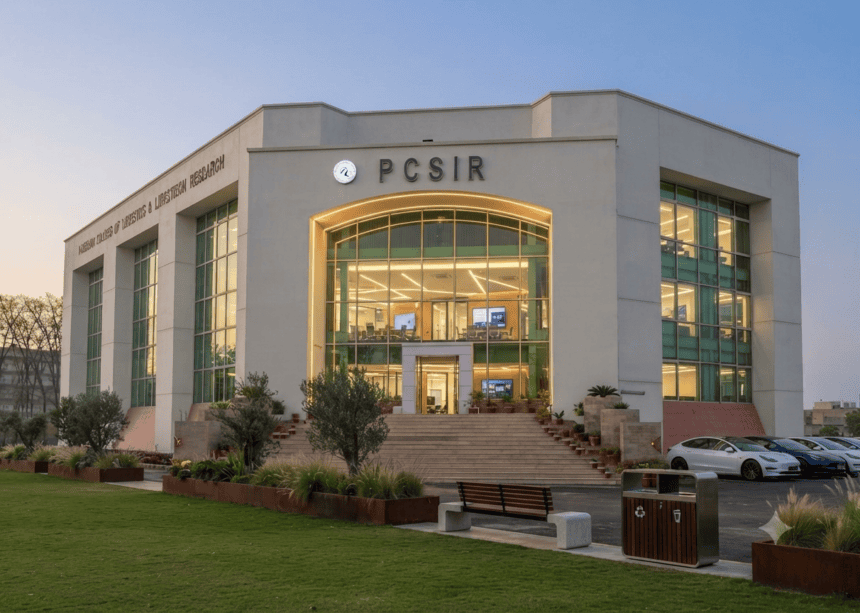
The samples were collected from markets across the country and tested by the Pakistan Council of Scientific and Industrial Research (PCSIR). The consolidated findings were prepared by the Pakistan Standards and Quality Control Authority (PSQCA).
The report showed that 98 out of 204 vanaspati ghee samples, or 48%, failed to conform to the required standards. Similarly, 40 out of 146 blended cooking oil samples, or 27%, were found to be substandard.
Among packaged milk samples, 26 out of 104 samples failed to meet quality requirements. In addition, eight of 18 milk powder samples, three of four refined palm oil samples and one of 13 refined canola oil samples were found to be non-compliant.
The findings were presented at a meeting of the National Price Monitoring Committee (NPMC) chaired by Federal Minister for Planning Ahsan Iqbal.
The minister expressed concern over growing public health problems, particularly cardiovascular and other non-communicable diseases among younger Pakistanis. He directed provincial governments and relevant regulatory authorities to conduct a nationwide survey of loose edible oil, ghee and milk.
A sample assessment also found a major shortfall in milk fat. Against the required minimum of 3.5%, one sample contained only 0.8% milk fat. The report noted that products from leading multinational packaged milk companies generally complied with standards, while quality concerns were found among some lesser-known local brands.
Ahsan Iqbal said food quality had become a matter of national importance and stressed that citizens must have access to safe and healthy food.
A specialised technical subcommittee comprising experts from the Ministry of Planning, PCSIR and PSQCA has also been formed to analyse the findings and recommend regulatory and policy measures.
Meanwhile, the committee was informed that Pakistan’s headline inflation fell to 9.2% in July 2026. Natural gas remained the biggest contributor to inflation, while housing, wheat flour, fresh milk and petrol also pushed prices higher.
The committee also expressed concern over significant differences between wholesale and retail prices in various cities and directed provincial and district authorities to investigate the causes and take measures to improve market transparency.