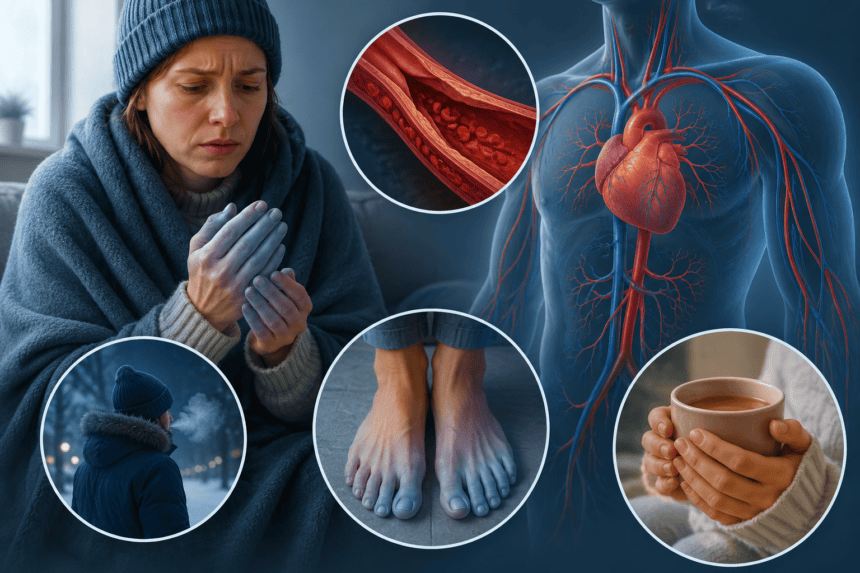
Cold hands and feet are common, especially during cold weather, but the sensation can occur even when temperatures are relatively comfortable. In many cases, it is simply the body’s normal response to cold.
The human body works continuously to maintain its core temperature. When exposed to cold conditions, blood vessels in the hands and feet can narrow. This helps conserve heat for the body’s vital organs but can make the extremities feel colder.
Once a person enters a warmer environment or begins moving, blood flow generally increases and the hands and feet gradually warm.
Stress can also temporarily affect circulation. Some people notice colder hands during periods of anxiety or emotional stress.
Prolonged sitting or inactivity may contribute as well. Movement encourages circulation, so people who spend many hours sitting may notice colder extremities.
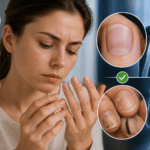
However, consistently cold hands or feet can sometimes indicate an underlying health issue. Raynaud’s phenomenon, for example, can cause fingers and toes to become very cold and change colour in response to cold temperatures or stress.
Other possible causes include anemia, thyroid problems, circulation disorders, diabetes-related complications and certain nerve conditions.
The pattern of symptoms can provide important information. Coldness accompanied by numbness, tingling, pain or significant colour changes may warrant medical assessment.
People should also pay attention to wounds that heal slowly or symptoms affecting only one side of the body.
For ordinary cold-related symptoms, wearing warm clothing, using appropriate socks and gloves, remaining physically active and limiting exposure to cold can help.
People with reduced sensation in their hands or feet should be careful with heating devices. Very hot water, heating pads or other direct heat sources can cause burns without the person immediately noticing.
If cold hands or feet persist despite warm surroundings, a healthcare professional can help determine whether an underlying condition is responsible.