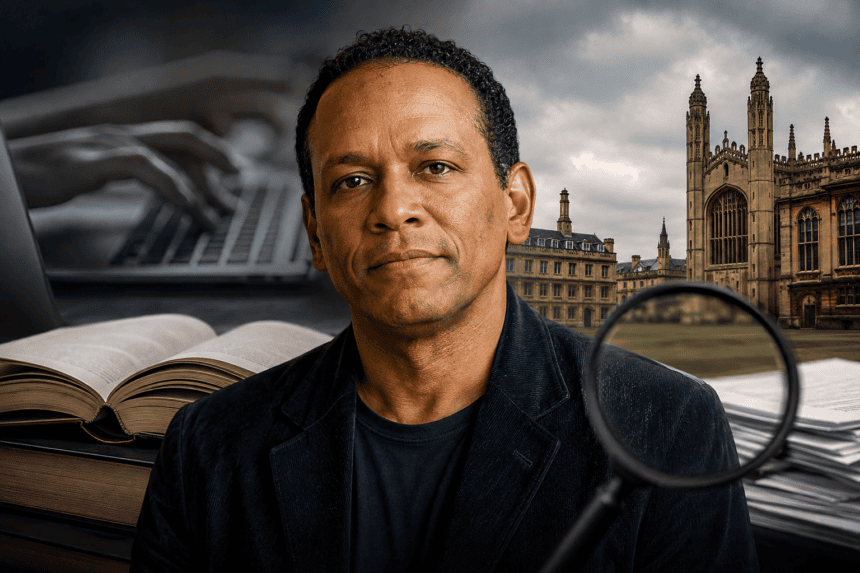
Cambridge, UK — Professor Jason Arday, a prominent sociologist at the University of Cambridge, has died, according to multiple reports emerging today. His passing comes as the academic faced intense scrutiny over allegations of plagiarism in his past research.
The university confirmed the death, though officials remained tight-lipped regarding the specific circumstances surrounding his passing. Arday had only recently made headlines for his rapid ascent to a professorship at Cambridge—a tenure that brought both public acclaim and rigorous forensic examination of his academic body of work.
Earlier this month, anonymous dossiers circulated within academic circles, highlighting significant overlaps between Arday’s published papers and existing literature. Critics pointed to specific passages in his early sociology studies that lacked proper attribution, sparking a heated debate about academic integrity at Britain’s most prestigious institutions.
Arday’s defenders have characterized the scrutiny as a targeted campaign against a scholar who broke institutional barriers. He was the youngest Black person ever appointed to a professorship at Cambridge, a milestone that made him a figurehead for diversity initiatives in higher education.
The allegations had reached a tipping point this week. The university’s internal review board was reportedly preparing a formal inquiry into the claims of academic misconduct. Whether that probe continues posthumously remains unclear, as the university has yet to release a statement on the status of the investigation.
For the academic community, the timing of his death raises difficult questions about the pressure placed on high-profile researchers. Colleagues who worked alongside Arday in the Department of Sociology described a man under immense strain during his final weeks, balancing the demands of his rising profile with the mounting intensity of the plagiarism claims.
As the university mourns the loss of a significant, if controversial, member of its faculty, the conversation surrounding his legacy is already shifting. It is no longer just about his contributions to sociology, but about the fragility of academic reputations in an era of digital scrutiny.
Cambridge officials have stated that they will provide further updates on the memorial arrangements once they have consulted with the family. For now, the investigation into his academic work stands suspended, leaving the questions surrounding his research largely unresolved.