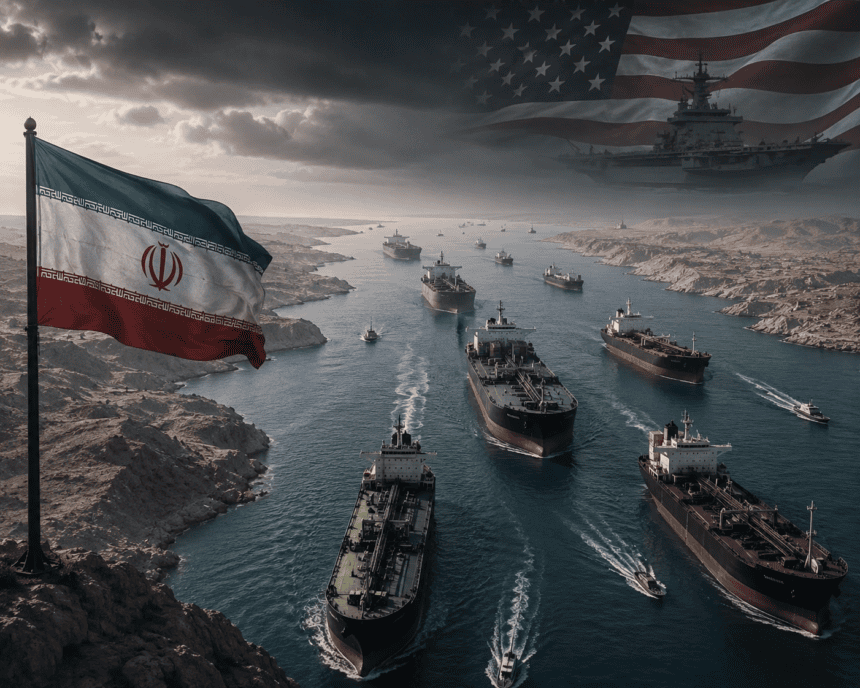
The flow of oil through the Strait of Hormuz has slowed to a crawl this week. Ship-tracking data confirms a decline in tanker transit, a direct response to Washington’s latest warnings of a sweeping economic crackdown on Tehran.
About 20% of the world’s oil supply passes through this narrow waterway. Any disruption here—even a precautionary one—sends immediate ripples through global energy markets.
The White House signaled Monday it is preparing a fresh round of sanctions targeting Iran’s energy exports. The move aims to strip the Iranian government of the revenue it uses to fund regional proxies.
“We are tightening the net,” a senior State Department official said during a briefing. “The current level of enforcement isn’t enough, and we are prepared to escalate.”
For shipping companies, the message is clear: the risk of moving Iranian crude, or even operating in proximity to Iranian waters, has spiked. Several major insurers have already notified clients that premiums for vessels passing through the Gulf will rise, effective immediately.
Tehran has largely dismissed the threat, calling it “psychological warfare” designed to spook international buyers. However, the drop in AIS (Automatic Identification System) signals from tankers anchored near the Iranian coast suggests a different reality. Many vessel operators are opting to wait, choosing to burn fuel on idle time rather than risk being caught in the crosshairs of a US naval inspection or a sudden sanctions designation.
The tension isn’t just about the price of a barrel. It’s about the narrow margin of error in a region already on edge. If traffic remains stagnant through the weekend, energy analysts expect a sharp uptick in futures trading as buyers scramble to secure supplies from alternative, albeit more expensive, sources.
The US Navy’s Fifth Fleet remains on high alert in the region. Their mandate is to ensure “freedom of navigation,” but as the diplomatic temperature rises, the line between routine patrols and a standoff is thinning.
For now, the tankers are holding their positions—waiting to see which side blinks first.