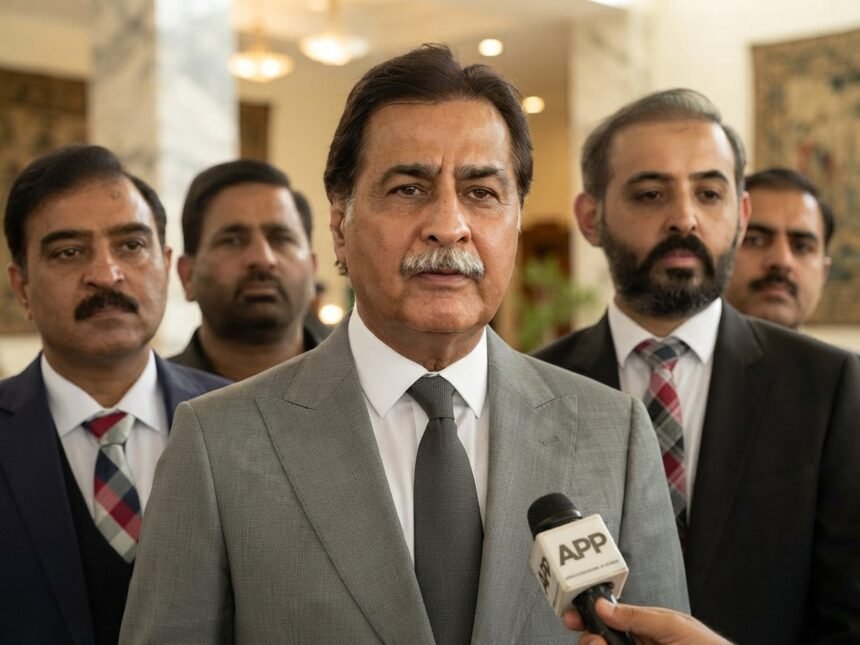
ISLAMABAD: National Assembly Speaker Sardar Ayaz Sadiq on Tuesday said Prime Minister Shehbaz Sharif had taken notice of lawmakers’ low attendance after some federal ministers raised the issue of members’ absence with him.
Speaking to the media outside the National Assembly, Sadiq said the prime minister had taken notice of the absenteeism and that both lawmakers and the premier were now monitoring compliance.
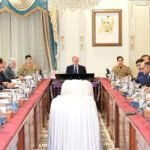
His remarks came after Tuesday’s National Assembly session was marked by low attendance, with several seats remaining vacant and questions being raised over quorum during parliamentary proceedings.
The speaker said maintaining quorum was not solely his responsibility but that of both the government and opposition. He expressed hope that attendance would improve when the National Assembly meets again, likely on Thursday or Friday.
Sadiq said he had received a message from the government indicating that the issue had been recognised and that steps would be taken to improve attendance.
He urged members from both the treasury and opposition benches to remain present during sessions, saying important parliamentary business could not be completed when lawmakers left their seats vacant during debate, question hour, discussions and legislation.
Sadiq said poor attendance affected both sides of the House, as the government could not complete its agenda while the opposition was also unable to fully pursue its parliamentary business.
Asked about Jamiat Ulema-e-Islam-Fazl chief Maulana Fazlur Rehman’s intention to adopt a more assertive approach towards legislation, the speaker welcomed the development.
He described Fazlur Rehman’s call for a proactive legislative approach as positive and said it could help keep the government accountable and encourage reforms.
Regarding resignations submitted by PTI lawmakers from standing committees, Sadiq said he had not approved any of them. He expressed hope that the government would continue its reform process and consider proposals put forward by the committees.
He said the committees were functioning on requisition and that their performance could improve if opposition members regularly attended their meetings.
On the possibility of a united opposition moving a no-confidence motion against him or Prime Minister Shehbaz Sharif, Sadiq said it was the opposition’s democratic and political right.
He said the administration would facilitate the opposition if it chose to exercise that right.
The speaker also said several efforts had been made to bridge the political divide and open dialogue with the opposition. He said he, Prime Minister Shehbaz Sharif, the law minister and Rana Sanaullah had extended offers for talks on multiple occasions.
Sadiq said he was tired of repeatedly making the same offer but would still ask the government to make another attempt to bring the opposition to the negotiating table.