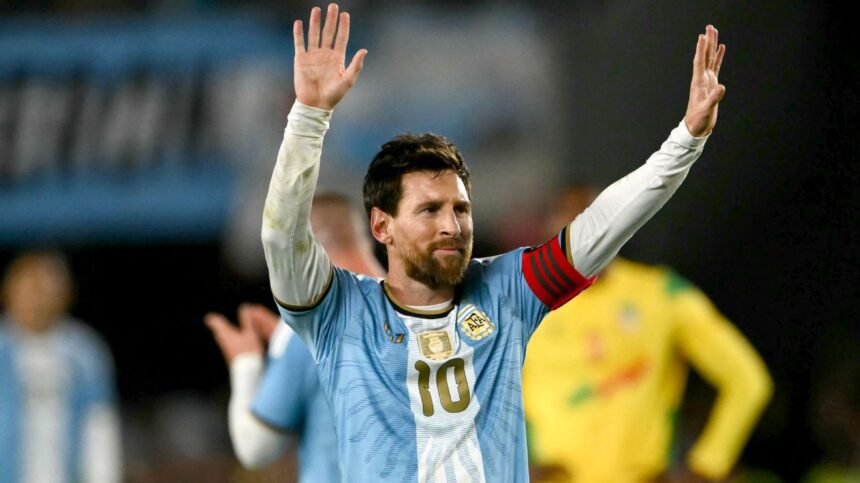
The final whistle at the Hard Rock Stadium didn’t just signal the end of the Copa América final; it marked the beginning of a long, emotional goodbye. Lionel Messi, hobbling off the pitch in the 66th minute, watched the remainder of Argentina’s 1-0 victory over Colombia from the sidelines, his face buried in his hands.
The tears weren’t just about the ankle injury that forced him out of the game. They were the release of years of pressure, a career-defining transition, and the realization that the sun is finally setting on the most decorated tenure in football history.

Argentina claimed their record 16th Copa América title thanks to a Lautaro Martínez strike in extra time, but the match belonged to the captain who couldn’t finish it. Messi’s influence on this squad has shifted. He’s no longer the sole engine powering every attack; he’s the architect, the mentor, and the emotional anchor for a younger generation that plays with his grit and their own fresh legs.
The injury—a gruesome swelling of his right ankle—left him sidelined for the final half-hour. He sat on the bench, an ice pack strapped to his leg, shouting instructions and urging his teammates forward. When Martínez finally broke the deadlock in the 112th minute, Messi’s reaction was pure, unadulterated relief. The captain’s armband was tucked away, but his presence remained the heartbeat of the celebration.
Critics often pointed to his quiet demeanor as a lack of leadership. Those days are long gone. This version of Messi is vocal, demanding, and visibly invested in the collective rather than the individual. He has transformed a team that once relied on him to save them into a unit that knows how to win—even when their talisman is sidelined.
His teammates have made it clear: they play for him, but they also play for each other. That cohesion, built over three consecutive major tournament wins, is the true legacy of this era.
As the trophy was lifted, Messi stood at the center of the chaos, limping slightly but smiling. He hasn’t officially announced his retirement from international duty, but the way he lingered on the pitch—soaking in the noise, the faces, and the feeling—suggested he knows the end is near.
He didn’t need to score the winning goal to leave his mark on this final. He simply had to be there. For Argentina, that has always been enough.