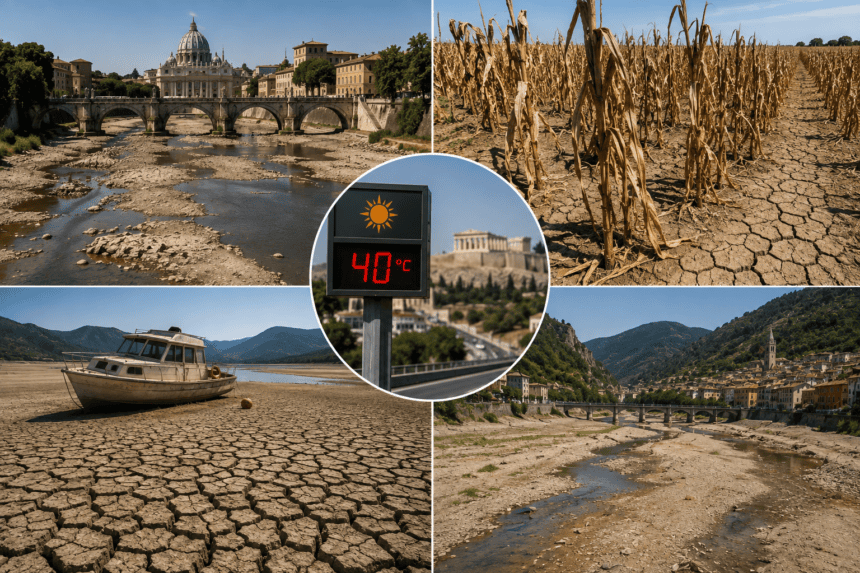
Europe is facing its most severe dry spell in at least 500 years. From the Rhine in Germany to the Po in Italy, major waterways have shrunk to historic lows, disrupting trade, energy production, and food security across the continent.
The Rhine, a vital artery for German industry, has become a logistical nightmare. Barges are currently operating at a fraction of their capacity, forced to carry lighter loads to avoid scraping the riverbed. This bottleneck is strangling the transport of coal and raw materials just as energy costs reach record highs. For the industries reliant on these shipments, it’s not just a supply chain hiccup—it’s a direct threat to the bottom line.
Agriculture is taking a massive hit. In Italy, the Po River basin—the country’s breadbasket—is effectively a desert in places. Farmers are watching their corn and rice yields vanish as saltwater creeps inland from the Adriatic, poisoning the soil. The European Commission has warned that the drought is affecting nearly half of the continent’s land, with crop production for staples like maize and sunflowers expected to drop by double digits compared to the five-year average.
Energy security is compounding the misery. France’s nuclear reactors, which require river water for cooling, are being forced to throttle back output. Hydropower generation across the Alps has plummeted, leaving a power-hungry Europe with one less safety net as winter approaches.
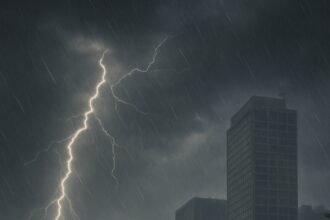
Climate scientists point to a feedback loop: record-breaking heatwaves have baked the soil, preventing it from absorbing the scant rainfall that does arrive. This creates a “flash drought” effect. While some regions have seen brief, violent storms, experts say these downpours do little to replenish deep groundwater reserves or restore the ecological balance of desiccated riverbeds.
Governments are scrambling to implement emergency water restrictions, but the measures feel like a stopgap. In many regions, the taps are still running, but the reservoirs are hitting “dead pool” levels.
For the millions living along these parched corridors, the reality is no longer a distant climate projection. It’s a dry faucet, a failed harvest, and the growing fear that this summer isn’t an anomaly, but the new, harsh baseline for a continent unprepared for the heat.