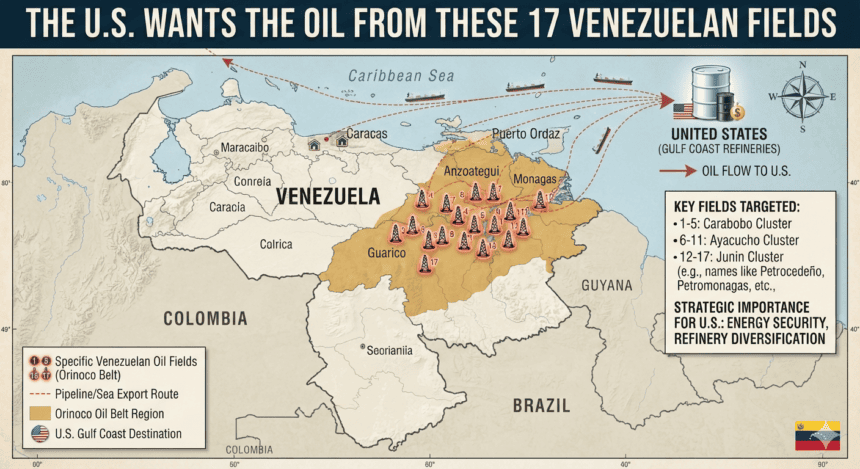
The Biden administration is moving to grant limited operational licenses for 17 Venezuelan oil fields, a strategic pivot aimed at stabilizing global energy supplies while keeping the Maduro government on a short leash.
This decision follows months of pressure from U.S. energy firms seeking to tap into the world’s largest proven crude reserves. The policy shift allows companies to bypass some of the stringent prohibitions that have crippled Venezuela’s state-run oil industry, PDVSA, for years.
Washington isn’t offering a blank check. These licenses come with strict compliance requirements, ensuring that revenue generated from these fields doesn’t flow directly into the pockets of high-ranking officials accused of undermining democratic processes. Instead, the U.S. Treasury wants to see the proceeds funneled toward debt repayment and infrastructure maintenance within the Venezuelan oil sector.
The move acknowledges a harsh reality: global oil markets remain volatile. By allowing specific projects—primarily involving joint ventures with international partners—the U.S. is betting it can increase the global supply of heavy crude without fully lifting the broader sanctions regime.
Energy analysts point to the technical hurdles that remain. Venezuela’s infrastructure has suffered from years of neglect, power outages, and a “brain drain” of skilled personnel. Even with new licenses in hand, bringing these 17 fields back to full operational capacity won’t happen overnight. It’s a multi-billion dollar, multi-year cleanup effort.
The political optics are delicate. Critics in Congress argue that any opening is a concession to a regime that remains at odds with U.S. foreign policy interests. Meanwhile, the White House maintains that this is a pragmatic approach—balancing energy security needs with the ongoing push for electoral transparency in Caracas.
For now, the focus shifts to the companies involved. They have the licenses. They have the capital. Whether they can navigate the crumbling infrastructure and the unpredictable political landscape of Venezuela remains the ultimate test of this new policy.