City councilors are locking horns over a new “Healthy Spaces” initiative, specifically questioning how the administration calculates the monetary value of urban trees slated for removal. The policy, intended to guide development while preserving green cover, has triggered a debate over whether the current valuation model reflects the true ecological cost of losing mature canopy.
The plan introduces a standardized formula for developers, requiring them to “offset” the loss of trees by paying into a city-managed fund or planting new saplings. Critics argue the math is flawed. They point to the fact that a century-old oak is being valued at nearly the same rate as a newly planted, five-foot-tall sapling.
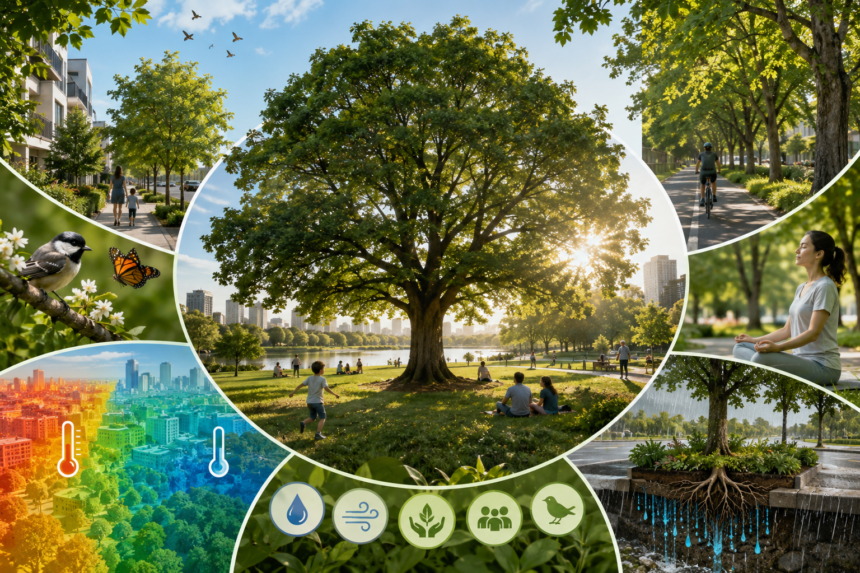
“You can’t replace an ecosystem service with a stick in the ground,” said Councilmember Sarah Jenkins during Tuesday’s hearing. She pushed for a model that accounts for carbon sequestration, storm-water mitigation, and the documented cooling effect mature trees provide to street-level temperatures.
Planning department officials maintain the formula is designed to keep development projects viable. They argue that if the cost of tree removal becomes prohibitive, developers will simply bypass the city, leading to stagnation in much-needed housing projects. The department’s lead planner, Mark Sterling, told the committee that the goal was “balance, not a total moratorium on construction.”
The tension highlights a broader shift in municipal governance. As urban heat islands intensify, local governments are under pressure to treat trees as critical infrastructure rather than aesthetic landscaping.
Data presented by independent environmental consultants suggests the city’s current valuation ignores the “replacement time” factor. It takes decades for a new tree to provide the same environmental benefits as a mature specimen. Under the proposed plan, the city’s total canopy cover could remain numerically stable while the actual quality of the environment declines.
The council is expected to vote on the revised valuation metrics next week. If passed, the city will move to a tiered system where older, indigenous trees carry a significantly higher price tag for removal.
For now, the policy remains stalled in committee, leaving developers in a holding pattern and environmental advocates waiting to see if the council will prioritize long-term climate resilience over short-term construction ease.