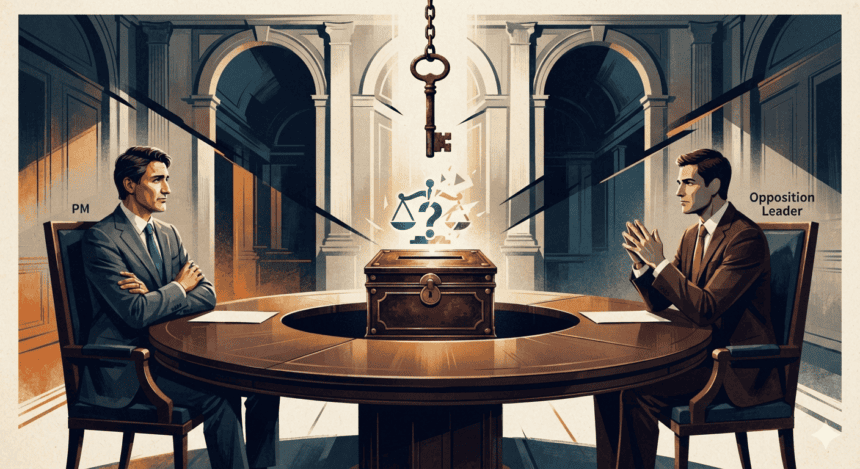
Prime Minister Shehbaz Sharif and Opposition Leader Omar Ayub have yet to initiate formal consultations for the appointment of the next Chief Election Commissioner (CEC), leaving the country’s top electoral watchdog in a state of uncertainty.
The current CEC, Sikandar Sultan Raja, is set to complete his tenure in December. Under the Constitution, the process requires the Prime Minister and the Opposition Leader to reach a consensus on a successor. If they fail to agree, the matter moves to a parliamentary committee, but the current political climate—defined by deep-seated hostility between the ruling coalition and the PTI—suggests a deadlock is likely.
The stakes go beyond a simple administrative replacement. The Election Commission of Pakistan has faced relentless criticism from the opposition since the February 8 general elections. Allegations of systemic rigging and mismanagement have left the commission’s credibility in tatters. For the government, appointing a loyalist is a priority to secure the electoral landscape for the next cycle. For the PTI, the appointment is a defensive maneuver to prevent further institutional marginalization.
“We haven’t received a formal invitation to sit across the table,” a senior PTI leader told reporters earlier this week. The government, meanwhile, maintains that the formal process will begin at the “appropriate time,” though they have declined to define when that window opens.
This is not the first time a major constitutional appointment has been delayed. However, the timing here is particularly sensitive. With the government pushing for constitutional amendments and the opposition threatening nationwide protests, the CEC seat has become the latest bargaining chip in a broader power struggle.
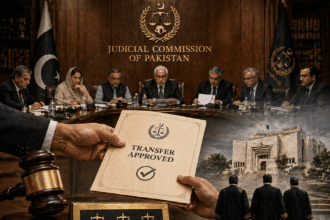
Legal experts warn that an eleventh-hour scramble could trigger a constitutional crisis if the seat remains vacant after the deadline. Past precedents show that when political rivals refuse to engage, the judiciary is often dragged into the fray, forcing the courts to interpret the intent of the law rather than its letter.
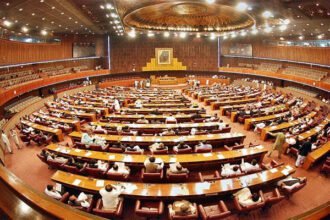
As the clock ticks toward December, the silence between the Prime Minister’s Office and the opposition benches is growing louder. The public remains sidelined, waiting to see if the country’s top electoral post will be filled through genuine consultation or if it will be decided by the same political brinkmanship that has paralyzed the legislature for months.