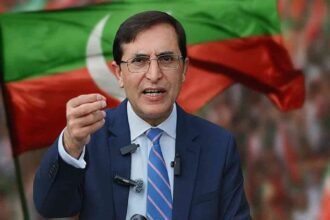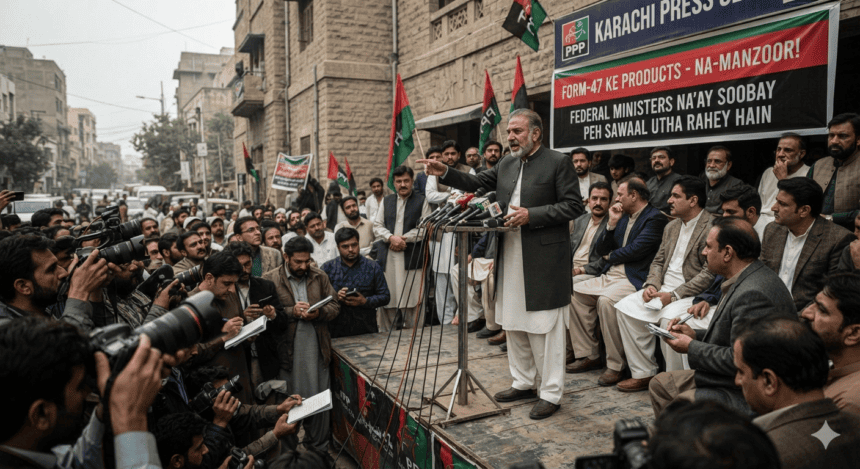
ISLAMABAD — Pakistan Peoples Party (PPP) stalwart Khursheed Shah has reignited tensions within the ruling coalition, dismissing federal ministers as “products of Form-47” while shutting down recent rhetoric regarding the creation of new provinces.
The veteran politician’s comments came during a heated exchange on the floor of the National Assembly. He took direct aim at cabinet members who have been vocal about administrative restructuring, suggesting their legitimacy is tied to controversial election results rather than popular mandate.
“These ministers, who call themselves representatives of the people, are nothing more than products of Form-47,” Shah told the house.
The term “Form-47” has become a shorthand in Pakistani political discourse for allegations of widespread electoral rigging during the February 2024 general elections. By using it, Shah isn’t just criticizing policy; he is questioning the very authority of the federal ministers to propose sweeping constitutional or administrative changes.
The PPP leader’s outburst was triggered by persistent calls from certain quarters within the federal government to discuss the formation of new provinces. For the PPP, which governs Sindh, any conversation involving provincial boundaries is a non-starter. They view such proposals as a direct threat to the 18th Amendment—a constitutional milestone that devolved power to the provinces and remains a cornerstone of the party’s political identity.
Shah made his stance clear: the focus should be on the country’s crushing economic reality, not on redrawing the map.
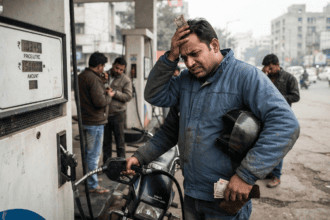
“The public is struggling to pay electricity bills, and you are busy talking about new provinces,” he said, directing his frustration at the treasury benches.
The clash underscores the deepening divide within the coalition government. While the PPP provides external support to the PML-N-led administration, the relationship is increasingly transactional and fraught with friction. Shah’s decision to openly challenge the cabinet’s legitimacy suggests that the party is positioning itself to distance its brand from the federal government’s unpopular economic decisions.
Whether this rhetoric marks a genuine shift in the coalition’s stability or remains a tactical maneuver to appease the PPP’s base in Sindh, the message to Islamabad is clear: the current government’s mandate is considered fragile, and its legislative priorities are being watched with extreme skepticism.