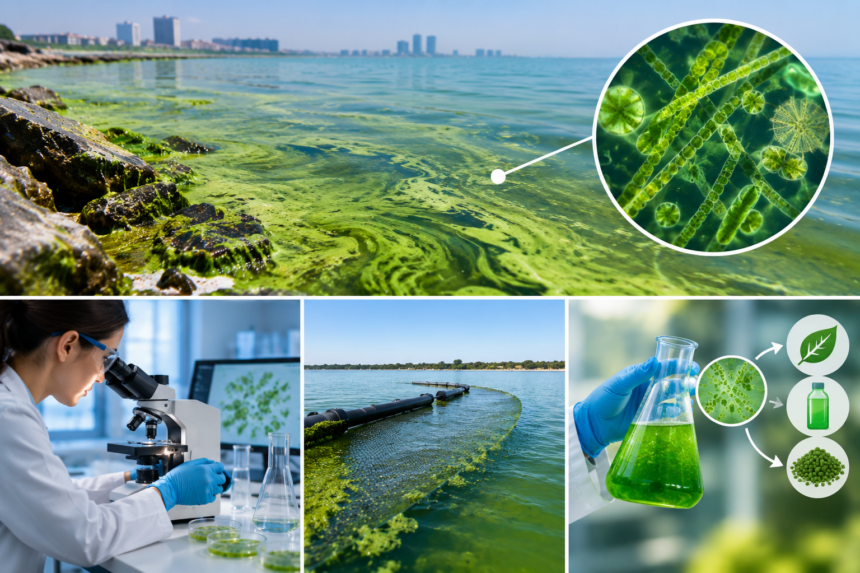
Toxic algae blooms are no longer just a seasonal nuisance; they are a systemic failure of water management. As these blooms choke ecosystems and threaten municipal water supplies, researchers are shifting focus from reactive chemical treatments to biological intervention.
The latest approach involves the use of specialized bacteria and viral pathogens—natural predators—to target specific cyanobacteria species. Unlike copper-based algaecides, which leave behind heavy metal residue and kill non-target organisms, these biological agents offer a surgical strike against toxins.
Dr. Elena Rossi, a lead researcher in aquatic microbiology, explained the shift in methodology. “We’ve spent decades throwing chemicals at a symptom,” she said. “Now, we’re looking at why the ecosystem’s natural immunity has collapsed.”
Her team’s current trials in controlled reservoirs utilize *Myxococcus* bacteria, which essentially “hunt” algae cells. The results show a 40% reduction in bloom density within the first 72 hours of application. It’s a promising figure, though scaling this from a controlled tank to a sprawling lake remains the primary obstacle.
The stakes go beyond aesthetic water quality. Microcystins, the toxins produced by these blooms, are linked to liver damage and neurological issues in humans. When a bloom hits a reservoir, cities often face an expensive, desperate scramble to filter water or switch to alternate sources.
Critics of the biological approach point to the risk of “ecological drift.” Introducing any organism—even a native one—into a stressed environment carries the risk of unforeseen ripples. Could the bacteria evolve to target beneficial phytoplankton? Environmental regulators are currently hesitant, demanding long-term safety data before granting permits for open-water trials.
Funding remains another hurdle. Private firms are hesitant to invest in a solution that targets a “public good” like a lake, where the return on investment is measured in public health outcomes rather than profit.
Despite these hurdles, the reliance on synthetic chemicals is reaching a breaking point. Regulators in several states are now fast-tracking pilot programs for biological control, acknowledging that the current status quo is unsustainable.
The next year of field testing will determine if this is a viable solution or another laboratory success story that fails to survive the complexity of the wild. For now, the blooms are growing faster than the policy, and the window for intervention is closing.