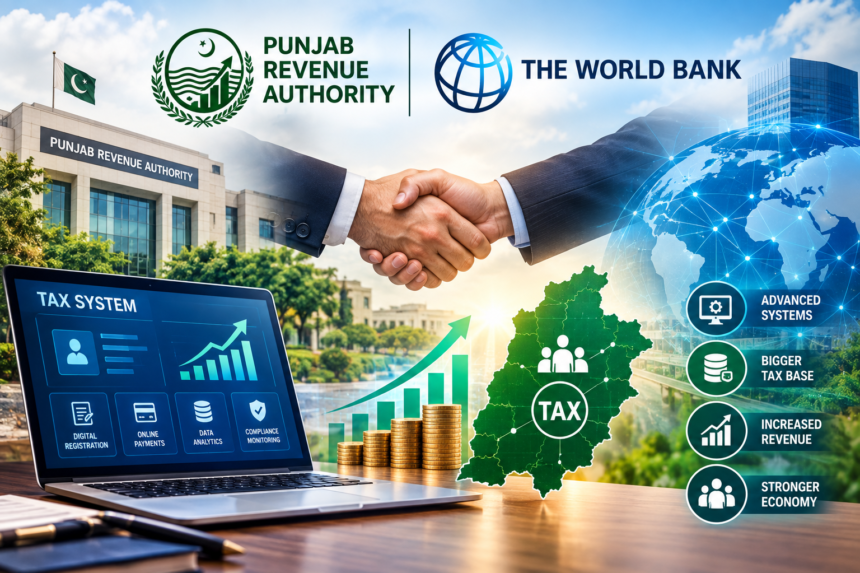
The Punjab Revenue Authority (PRA) is pivoting toward a digital-first strategy, partnering with the World Bank to deploy advanced data-tracking systems. The goal: pull thousands of untaxed businesses into the formal economy.
Government officials confirmed the initiative aims to move beyond traditional manual audits, which have historically struggled to keep pace with the province’s expanding services sector. By integrating real-time data analytics, the PRA intends to monitor transactions across high-revenue industries, including restaurants, beauty parlors, and private clinics.
The partnership isn’t just about software; it’s a push for transparency. The World Bank is providing technical expertise to help the authority bridge the gap between reported income and actual market activity. For years, the PRA has faced criticism for a narrow tax base that places an outsized burden on a handful of compliant taxpayers.
“We are moving toward a system where the data speaks for itself,” a senior official familiar with the project told reporters. He acknowledged that previous attempts to broaden the net were often hampered by outdated record-keeping and a lack of coordination between provincial and federal databases.
This overhaul comes at a critical juncture. Punjab’s fiscal deficit has widened, and the provincial government is under immense pressure to increase own-source revenue to meet development targets. The new systems are expected to flag discrepancies in sales tax filings automatically, reducing the room for under-reporting.
Critics remain cautious. While the technology promises efficiency, the challenge lies in enforcement. Past efforts to digitize tax collection in Pakistan have often stalled due to resistance from traders and a lack of rigorous follow-through in the field.
The PRA plans to roll out the pilot phase in Lahore before expanding to other major districts by the end of the fiscal year. Whether this tech-driven approach succeeds where others failed depends on if the authority can maintain the political will to hold major tax evaders accountable once the data reveals them.