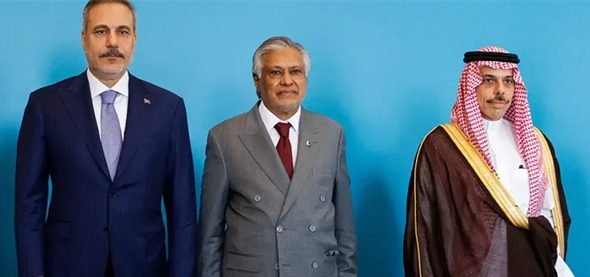
RIYADH: Senior officials from Pakistan, Saudi Arabia and Türkiye are set to hold high-level defence and political talks in Riyadh on Monday as the three countries review regional security developments and cooperation under the Makkah Joint Defence Agreement. Pakistan will be represented by Deputy Prime Minister and Foreign Minister Ishaq Dar, Defence Minister Khawaja Muhammad Asif, and Chief of Defence Forces and Chief of Army Staff Field Marshal Syed Asim Munir.
Foreign and defence ministers, along with senior military commanders from Saudi Arabia and Türkiye, will also participate in the meeting of the Strategic Political and Defence Committee. According to Pakistan’s Foreign Office, discussions will focus on recent developments in the region and progress in cooperation under the Makkah Agreement. Islamabad said its participation reflects Pakistan’s commitment to regional peace and stability.
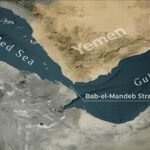
Türkiye’s Foreign Ministry said the meeting would also review progress towards institutionalising cooperation among the three member states. The talks come amid heightened regional security concerns and recent Houthi attacks targeting Saudi Arabia. Officials from the three countries have held a series of consultations in recent weeks to strengthen military coordination and collective defence.
Military chiefs from Pakistan, Saudi Arabia and Türkiye met in Riyadh in late September, where they reviewed threats facing the kingdom and discussed intelligence sharing, military coordination and greater integration of defence capabilities. The Makkah Joint Defence Agreement was signed by the three countries in August. The pact establishes a collective defence framework under which an armed attack against one member is regarded as an attack against all three.
Its Strategic Political and Defence Committee held its inaugural meeting in Istanbul on August 31, where the three countries agreed to further institutionalise their security partnership and establish a secretariat in Saudi Arabia. The alliance is intended to strengthen collective deterrence while supporting regional peace, stability and cooperation among the three member states.