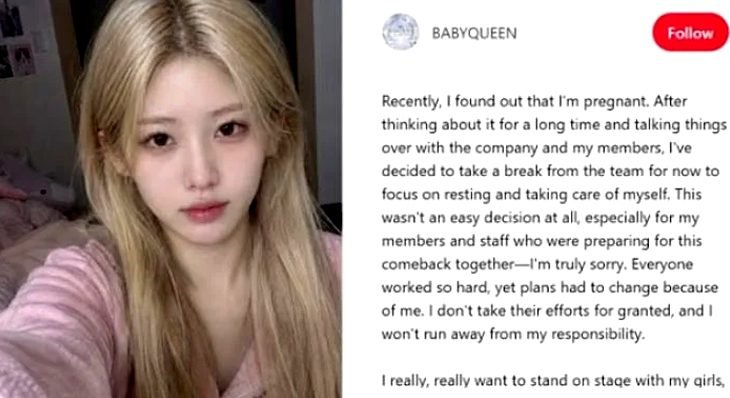
BEIJING: An AI-generated pop singer’s fictional pregnancy announcement has triggered widespread debate in China after the creators of virtual girl group BABYQUEEN admitted they invented the storyline to reduce the workload of managing multiple digital performers.
Mity, one of the group’s virtual members, announced on the Chinese social media platform Xiaohongshu, also known as RedNote, that she was expecting a baby and would temporarily suspend her entertainment activities.
The announcement spread rapidly online, with reports citing more than 78 million views on Chinese platform Weibo. Users reacted with a mixture of disbelief, humour and criticism, questioning how a computer-generated character could experience pregnancy or take maternity leave.
The controversy intensified after the group’s creators revealed that the pregnancy was fictional. They explained that maintaining several AI-generated personalities had become exhausting and that the storyline was intended to provide a way to remove one member from the group’s activities.
The creators, who described themselves as students interested in K-pop, also said they had not made any money from the project.
Backlash over pregnancy storyline
While some social media users joked about the identity of the fictional baby’s father and whether an AI character could receive maternity benefits, others criticised the decision to use pregnancy and childbirth as a plot device.
Critics argued that the storyline risked trivialising real women’s reproductive experiences by turning a sensitive subject into online entertainment.
The timing also attracted attention. Shortly after Mity’s announcement, the group’s account promoted a teaser for a new song featuring its remaining members, further fuelling speculation about the reason for her sudden departure.
BABYQUEEN’s creators later suggested that Mity could pursue fictional career paths as an actress or a content creator focused on maternity and infant products.
The episode highlights growing concerns over how virtual entertainers are presented online, particularly when AI-generated characters are given personal histories and life events that closely resemble those of real people.
As AI-powered performers gain visibility on social media, the incident has raised questions about the responsibilities of creators and the boundaries between fictional storytelling, audience engagement and misleading presentation.