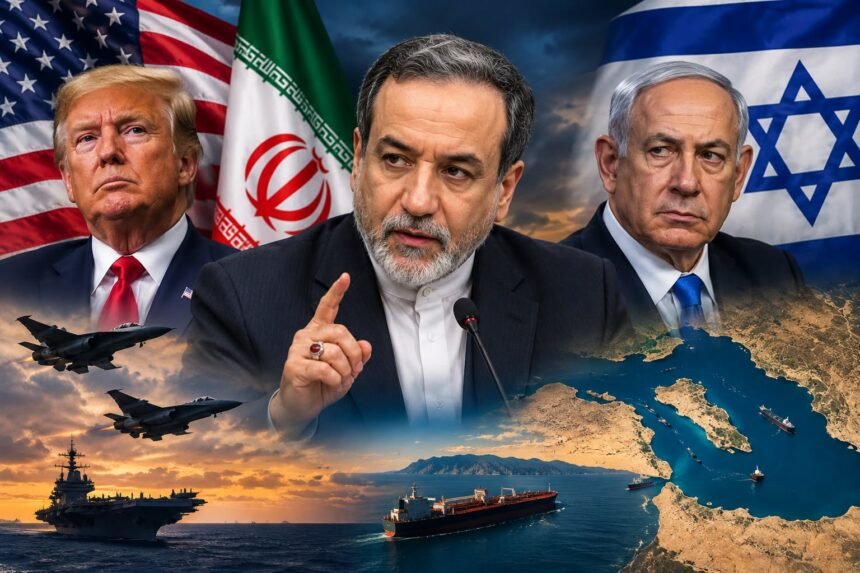
TEHRAN, October 26, 2026: Iranian Foreign Minister Abbas Araghchi has warned that military confrontation with the United States and Israel could resume, while insisting that a renewed conflict would not change Iran’s policies.
According to Agence France-Presse (AFP), Araghchi made the remarks during a televised address in Tehran on Sunday, October 25. He said that although there had been growing discussion about the possibility of another war, he was already thinking about the period that would follow the conflict.
Araghchi stressed that Iran’s policies would remain unchanged regardless of whether hostilities resumed.
Message to Washington and Tel Aviv
The Iranian foreign minister said the United States and Israel had already carried out military operations against Iran and were familiar with the outcomes. He warned that another attempt would not necessarily produce a different result.
His remarks came after US President Donald Trump spoke about the possibility of further military action against Iran. The statements have added to concerns about renewed confrontation between Washington, Tel Aviv and Tehran.
However, Araghchi’s warning does not mean that a new war has been officially announced or that military action is inevitable.
Strait of Hormuz Remains a Major Concern
Araghchi also addressed the future of the Strait of Hormuz, arguing that regional developments had fundamentally changed the situation surrounding the strategic waterway.
The strait is a critical route for international energy supplies, with substantial volumes of oil and other energy products transported through it. Any prolonged disruption could affect global shipping, energy markets and oil prices.
His comments underline the wider economic implications of continuing tensions between Iran, the United States and Israel.
Could Tensions Escalate Further?
The possibility of renewed military confrontation remains a concern as diplomatic negotiations face difficulties and officials continue to exchange strong statements.
At the same time, diplomatic engagement remains an important factor in determining whether tensions can be contained. The situation will depend on subsequent political decisions, diplomatic efforts and developments on the ground.
For now, Araghchi’s central message is that Iran intends to maintain its existing policies even if the conflict resumes. No definitive conclusion can yet be drawn about whether another war will take place.