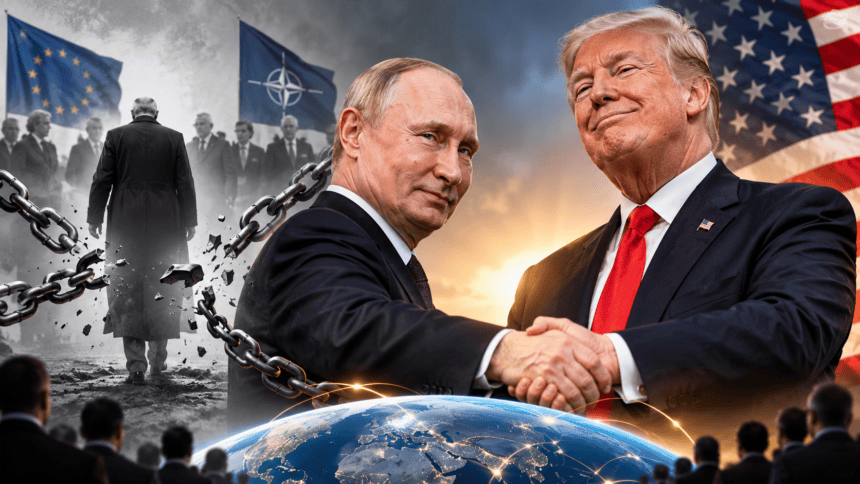
Vladimir Putin is no longer the pariah the West spent two years trying to wall off. As Donald Trump prepares for his return to the White House, the Russian leader is finding his global standing shift from an international outcast to a central player in the incoming administration’s foreign policy pivot.
The isolation strategy, once the bedrock of the Biden administration’s response to the invasion of Ukraine, is fracturing. European leaders, long tethered to Washington’s firm stance, are now scrambling to adjust their own positions as Trump’s team signals a rapid move toward a negotiated settlement in Kyiv.
For Putin, the shift is personal. He has spent months waiting for the political winds in Washington to turn. With Trump’s victory, that patience has paid off. The Russian president hasn’t changed his battlefield objectives, yet his leverage has surged simply by waiting for the American electoral cycle to deliver a more accommodating partner.
The Kremlin’s messaging reflects this newfound confidence. While official channels maintain a veneer of detachment, the underlying tone has shifted from defensive to opportunistic. Putin’s recent public comments regarding Trump—calling him “courageous” following the assassination attempt—were not merely polite pleasantries; they were the opening moves of a transactional reset.
Trump’s promise to end the war “in 24 hours” creates a timeline that forces Kyiv into a defensive posture. It also hands Putin a seat at the table on his own terms. Ukraine, meanwhile, faces the reality that the primary architect of its international coalition is about to leave the building.
European capitals are reading the room. German Chancellor Olaf Scholz and French President Emmanuel Macron are now forced to weigh their continued support for Ukraine against the prospect of a U.S. withdrawal of funding. The unity that defined the NATO response since 2022 is fraying under the weight of an approaching American policy that prioritizes domestic deals over collective security.
Putin’s bet was always on Western fatigue. By stalling on the front lines and holding steady against sanctions, he successfully gambled that the political appetite for a long war would eventually collapse in the U.S.
The isolation is over. The reality of the next four years is a return to a landscape where Putin is not a guest to be shunned, but a power broker the U.S. president is eager to engage. Whether this leads to a lasting peace or merely a temporary pause remains the central question for a global order that is currently being rewritten from Washington.