Pakistan is facing a growing health challenge as non-communicable diseases (NCDs), including diabetes, heart disease, cancer and chronic respiratory illnesses, continue to place a heavy burden on the population. Health experts argue that expanding hospitals and treatment facilities alone will not be enough to address the crisis. Greater investment in prevention, physical activity and healthier lifestyles is also essential.
According to the World Health Organization’s data, non-communicable diseases accounted for approximately 52 percent of all deaths in Pakistan in 2021, representing more than 871,000 lives. The probability of a person aged 30 to 70 dying prematurely from major NCDs in the country was estimated at 26.3 percent.
World Health Organization+1
Diabetes is one of the most pressing concerns. The International Diabetes Federation estimates that approximately 34.5 million adults in Pakistan were living with diabetes in 2024. Without effective prevention and management, the number could rise significantly in the coming decades.
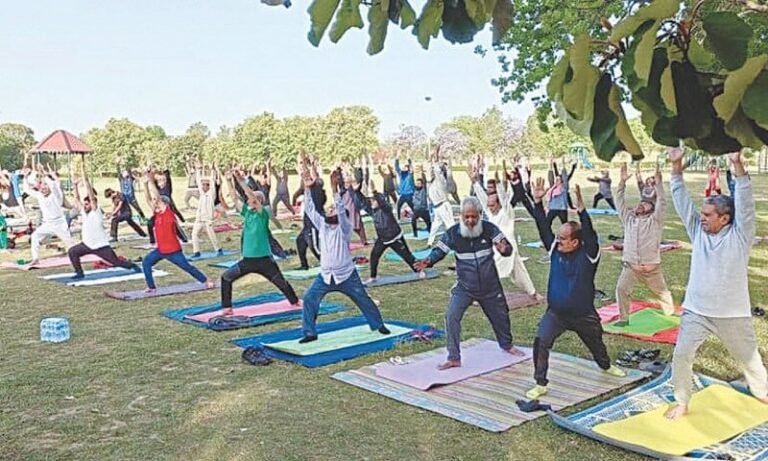
Experts say regular physical activity can play an important role in reducing these risks. Walking, cycling and other aerobic exercises help the body use glucose more effectively, improve insulin sensitivity and support healthy blood pressure. The WHO recommends that adults undertake at least 150 minutes of moderate-intensity physical activity each week.
However, many people face barriers to staying active. Unsafe streets, limited parks, extreme weather, air pollution and demanding daily routines make exercise difficult. Women may face additional challenges because of safety concerns, household responsibilities and a lack of suitable spaces.
Unhealthy diets are another major risk factor. Excessive salt consumption can contribute to high blood pressure and cardiovascular diseases. Experts therefore emphasise the need for healthier food choices, better food labelling and stronger public awareness alongside exercise programmes.
The challenge also requires action beyond hospitals and health departments. Schools can provide regular physical education, urban planners can develop safe walking routes and accessible parks, while primary healthcare workers can help identify risk factors and encourage preventive habits.
Pakistan has already taken steps towards addressing NCDs through national frameworks and health initiatives. However, public health experts continue to highlight the need for coordinated implementation, adequate funding and reliable health data to measure progress.
PMC+2
The central message is that hospitals remain essential for treating patients, but preventing diseases before they develop must become an equally important part of Pakistan’s healthcare strategy.