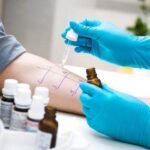
At-home HIV testing can make it easier for people to check their HIV status privately and conveniently. These tests generally fall into two categories: rapid self-tests, which can provide results at home within minutes, and mail-in tests, in which a person collects a sample and sends it to a laboratory.
Although home testing can increase access to HIV screening, people should understand the differences between tests and their limitations. A positive home result does not by itself confirm an HIV diagnosis and requires follow-up testing with a healthcare professional.
1. LetsGetChecked
LetsGetChecked is an option for people who want HIV testing alongside screening for other sexually transmitted infections (STIs). Its packages can include tests for HIV, chlamydia, gonorrhea, trichomoniasis, and syphilis.
The service uses samples that are sent to laboratories for analysis. Medical News Today noted that the company reports laboratory approvals and accreditation and provides instructions for collecting and returning samples. It also offers follow-up support for positive results.
Best for: People looking for broader STI testing in addition to HIV screening.
2. OraQuick In-Home HIV Test
OraQuick is designed for rapid testing at home. It uses an oral swab rather than a blood sample, and results can generally be available within 20–40 minutes.
The test is the first FDA-approved over-the-counter, at-home HIV test in the United States. Users collect an oral-fluid sample by swabbing their upper and lower gums and then place the test stick into the provided test tube.
However, a negative result may not rule out a recent infection because HIV tests have a window period. A positive result also needs confirmation through additional testing.
Best for: People who prefer a quick oral test at home.
3. Health Testing Centers
Health Testing Centers provides HIV testing options that involve laboratory analysis. Depending on the test selected, people may collect a sample and have it processed by a laboratory.
One advantage is that users can choose from different testing options and laboratory locations. However, some of these services may require an in-person laboratory visit rather than completely testing at home.
Best for: People who prefer laboratory-based HIV testing.
4. myLAB Box
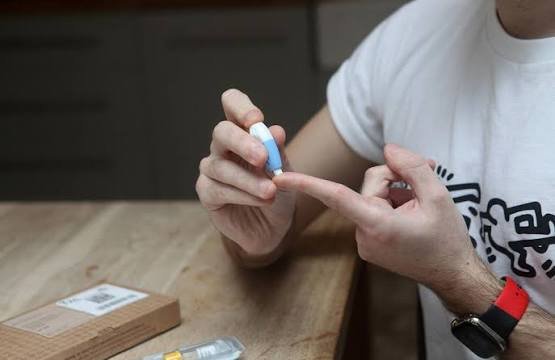
myLAB Box offers HIV testing as well as other STI testing options. Its HIV test involves collecting a small blood sample through a finger prick and sending it to a laboratory.
The company has offered both one-time testing and subscription options. Medical News Today also reported that physician consultation may be available following a positive result.
Best for: People who want home sample collection with laboratory testing and additional STI options.
5. Everlywell HIV Test
Everlywell offers an at-home HIV test that uses a finger-prick blood sample. The sample is sent to a laboratory, with results provided through a secure online account after processing.
The service can be purchased as a one-time test, and membership options may provide discounts.
Best for: People looking for a mail-in HIV test with online results.
How Do At-Home HIV Tests Work?
Home HIV tests generally use either oral fluid or blood.
Rapid tests use an oral sample and can provide results within minutes. Mail-in tests commonly require a finger-prick blood sample that is sent to a laboratory. The exact procedure varies between brands, so users should carefully follow the instructions included with the test.
Are At-Home HIV Tests Accurate?
At-home HIV tests can be useful, but their accuracy depends on several factors, including the type of test, the timing of testing and whether the instructions are followed correctly.
One important issue is the window period. Testing too soon after HIV exposure may produce a negative result even when infection is present. For example, the Medical News Today article notes that the OraQuick test may not detect HIV reliably until months after exposure.
Because testing windows differ by test type, anyone concerned about a recent exposure should discuss the appropriate testing schedule with a healthcare professional.
What Does a Positive Result Mean?
A positive result from an at-home HIV test does not automatically confirm HIV infection.
Instead, it should be followed by confirmatory testing through a healthcare provider or appropriate medical testing service. Early confirmation is important because effective HIV treatment can help people live long and healthy lives and can reduce the amount of virus in the body to undetectable levels.
When Should You Take an HIV Test?
People may need HIV testing at different intervals depending on their individual circumstances and risk of exposure. Regular testing may be particularly important for people with factors that increase their likelihood of acquiring HIV.
Anyone who believes they may have been recently exposed should seek medical advice rather than relying only on a home test, particularly because some tests cannot detect very recent infections.
Final Thoughts
At-home HIV tests can provide a private and convenient way to begin HIV screening. Options vary from rapid oral tests to laboratory-based finger-prick testing, allowing people to choose a method that fits their needs.
However, no home test should be viewed as a substitute for professional medical care. Understanding the test’s window period, following instructions carefully and getting confirmatory testing after a positive result are essential steps for accurate HIV diagnosis.