White House official says Israel agreed to halt in fighting so long as Iran does not launch fresh attacks
President Donald Trump successfully brokered a ceasefire between Israel and Iran through a series of high-level diplomatic engagements, including a direct phone call with Israeli Prime Minister Benjamin Netanyahu and coordinated outreach to Tehran by key members of his administration.
A senior White House official, speaking on condition of anonymity, confirmed that the ceasefire deal was struck after Iran agreed not to carry out further attacks, and Israel pledged to hold fire unless provoked again.
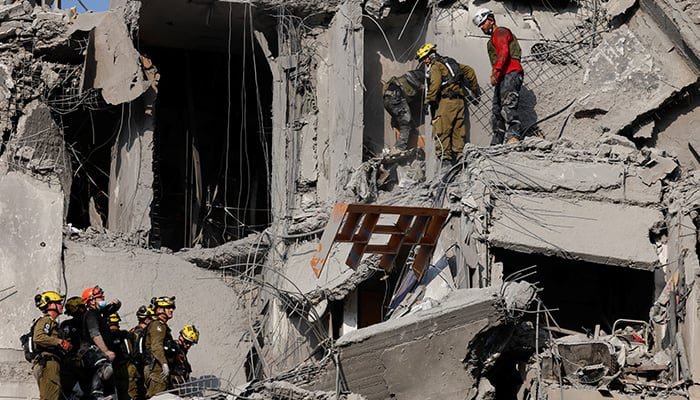
The breakthrough came after a weekend of high-stakes escalation. U.S. bombers dropped massive 30,000-pound bunker-buster bombs on Iran’s underground nuclear sites, prompting Tehran to retaliate with missile strikes on a U.S. air base. Fortunately, no casualties were reported.
Following the retaliation, Trump quickly moved to de-escalate the situation. “Get me Bibi. We’re going to make peace,” Trump reportedly told aides on Saturday night, referring to Netanyahu. He also instructed his team to open backchannel talks with Iran.
Vice President JD Vance, Secretary of State Marco Rubio, and U.S. Special Envoy Steve Witkoff led the indirect negotiations with Iranian officials. These discussions built on weeks of earlier diplomatic attempts, which had broken down over Iran’s insistence on continuing its uranium enrichment program.
Trump announced the agreement on Monday, stating that a “complete and total” ceasefire between Israel and Iran would go into effect within hours. The move came just as both countries appeared poised for a broader conflict.
The ceasefire, if sustained, is likely to be seen as a major political win for Trump. It not only cools rising tensions in the Middle East but also reinforces his long-touted image as a dealmaker and peacemaker — key themes as he prepares for the 2026 midterm elections.
Inside sources said the president conducted a full day of crisis management from the Oval Office, coordinating calls and updates with his national security team, Israeli leadership, and international allies.
Trump’s decision to strike Iran marked a significant departure from his long-standing pledge to avoid new foreign wars — a stance central to his “America First” agenda. However, the swift pivot to diplomacy and the successful negotiation of a ceasefire may help temper criticism from his political base.
White House officials emphasized Trump’s restraint and commitment to U.S. interests throughout the ordeal. “The president made it clear: we want peace, but we will not allow threats to American lives or our allies to go unanswered,” the official stated.
The coming days will test whether both sides honor the ceasefire. Diplomatic channels reportedly remain open for follow-up discussions aimed at stabilizing the region and potentially revisiting stalled nuclear talks.