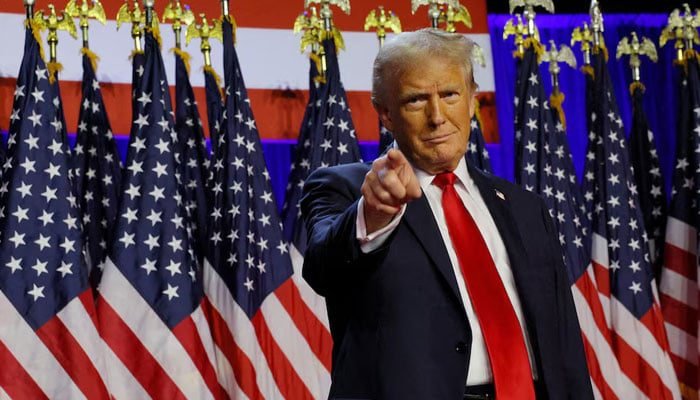
US President Donald Trump has been formally nominated for the Nobel Peace Prize by Israeli Prime Minister Benjamin Netanyahu, adding fuel to a debate that blends global diplomacy, Middle East tensions, and political calculation.
In a nomination letter made public, Netanyahu praised Trump for his “steadfast and exceptional dedication to promoting peace, security, and stability around the world,” highlighting his role in brokering talks aimed at achieving a ceasefire in the Middle East.
Pakistan also announced in June that it would recommend President Trump for the prize, citing his involvement in de-escalating a tense conflict between India and Pakistan — a move that has further elevated Trump’s global profile in the run-up to the 2025 Nobel Prize season.
If awarded, Trump would become the fifth US president to receive the prestigious honour, joining Theodore Roosevelt, Woodrow Wilson, Jimmy Carter, and Barack Obama.
What Is the Nobel Peace Prize?
Established by Swedish inventor Alfred Nobel, the Peace Prize is awarded to the individual or organization that has made the greatest contribution to “fellowship among nations,” the reduction of armed conflict, or the promotion of peace efforts globally.
According to Nobel Committee Chair Jørgen Watne Frydnes, “anyone can be the recipient of the Nobel Peace Prize,” with past winners hailing from diverse backgrounds, including activists, heads of state, religious leaders, and humanitarian organizations.
How Does the Process Work?
Nominations for the Peace Prize close each January, meaning Netanyahu’s 2025 nomination of Trump would only be eligible for consideration in 2026.
Thousands of individuals are eligible to nominate candidates — including current and former heads of state, members of national parliaments and governments, university professors in relevant disciplines, and former Nobel laureates. While the Nobel Committee keeps nominations confidential for 50 years, nominators can publicly reveal their picks.
This year, 338 candidates — comprising 244 individuals and 94 organizations — were nominated for the award, which will be announced on October 10 and awarded in Oslo on December 10, the anniversary of Alfred Nobel’s death.
The Norwegian Nobel Committee, consisting of five members appointed by the Norwegian parliament, is responsible for the selection. These members often reflect the country’s political diversity and are assisted by a group of permanent advisers and experts in international affairs.
The final decision, ideally reached by consensus, is often made only days before the official announcement.
Trump’s Case: Support and Skepticism
While Trump’s supporters have welcomed the nominations, critics have expressed skepticism. Former Swedish Prime Minister Carl Bildt described Netanyahu’s move as a strategic attempt to flatter the US president, especially given the ongoing Middle East negotiations where Trump is trying to broker a long-term ceasefire.
Despite multiple nominations in past years, Trump has yet to win the prize. His foreign policy moves — including negotiations with North Korea, peace deals between Israel and several Arab states (Abraham Accords), and efforts in South Asia — have previously drawn both praise and criticism.
A History of Controversial Laureates
The Peace Prize has not been without controversy. Past awards have sparked resignations within the committee and public debate. Henry Kissinger’s 1973 win for negotiating a Vietnam War ceasefire and Yasser Arafat’s 1994 joint award with Israeli leaders are among the most contentious.
Even Barack Obama’s 2009 award — given just months into his presidency — drew criticism for being premature.
Nonetheless, the prize has also served to draw global attention to important causes and conflicts, elevating recipients’ platforms and sometimes pressuring governments into action.
Beyond Prestige: What Comes With the Prize
Winners receive a gold medal, a diploma, and a monetary award of 11 million Swedish crowns (approximately $1.15 million). But the true power of the prize lies in its global recognition and moral influence.
As the world awaits this year’s announcement in October, Trump’s potential candidacy for 2026 remains a subject of intense political and public interest — raising the question: Can controversy and diplomacy coexist on the Nobel stage?