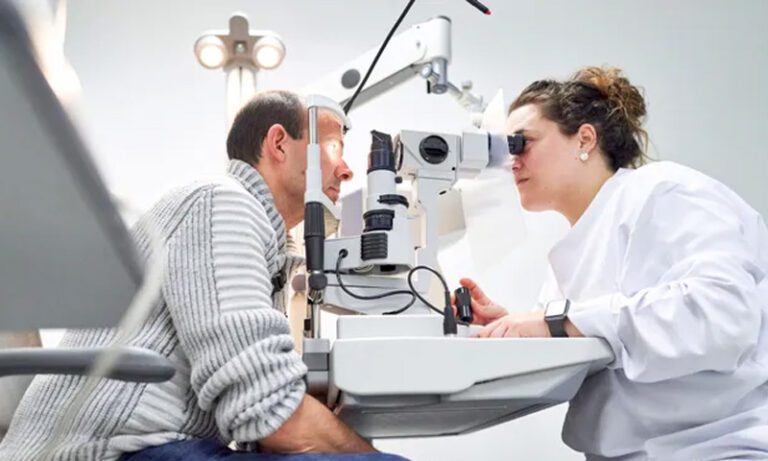
Glaucoma is often referred to as a silent disease because it shows no clear symptoms in its early stages. However, it can gradually damage the eyes and, as a result, increase the risk of brain diseases.
According to medical experts, glaucoma, also known as black cataract, affects the optic nerve that carries visual information to the brain. If not treated in time, the disease can eventually lead to loss of vision.
In most cases, glaucoma occurs due to increased pressure inside the eye. However, there is a rare type known as normal tension glaucoma, in which eye pressure remains within the normal range, yet the optic nerve continues to be damaged.
On the other hand, Alzheimer’s is a serious brain disorder that causes memory loss, confusion, and changes in behavior. As the disease progresses, patients begin to forget daily tasks.
Scientists in Taiwan conducted research to determine whether there is a link between glaucoma and Alzheimer’s disease. For this purpose, they reviewed data of more than 15,000 patients with normal tension glaucoma and compared it with 61,000 individuals who did not have glaucoma. The health of all participants was monitored for 12 years.
According to the findings, patients with normal tension glaucoma were found to have a 52 percent higher risk of developing Alzheimer’s disease. This risk was particularly higher among elderly women and individuals who had suffered a stroke.
Experts say it is essential to also monitor symptoms of Alzheimer’s in patients with normal tension glaucoma, as early diagnosis can lead to effective treatment and better care.