Former energy minister Abid Sher Ali has taken a sharp jab at Karachi’s municipal infrastructure, claiming the city’s cratered roads are so severe they require him to undergo physiotherapy after every visit.
The PML-N stalwart, known for his combative political style, made the remarks during a recent media appearance. He described the state of the metropolis’s thoroughfares as a “nightmare,” suggesting that navigating the city by vehicle has become a physical hazard rather than a routine commute.
The comment underscores a long-standing point of contention between provincial and federal authorities regarding the management of Pakistan’s largest financial hub. While the Sindh government typically points to funding constraints and the complexities of urban planning, critics like Ali argue that the degradation is a direct failure of governance and maintenance.
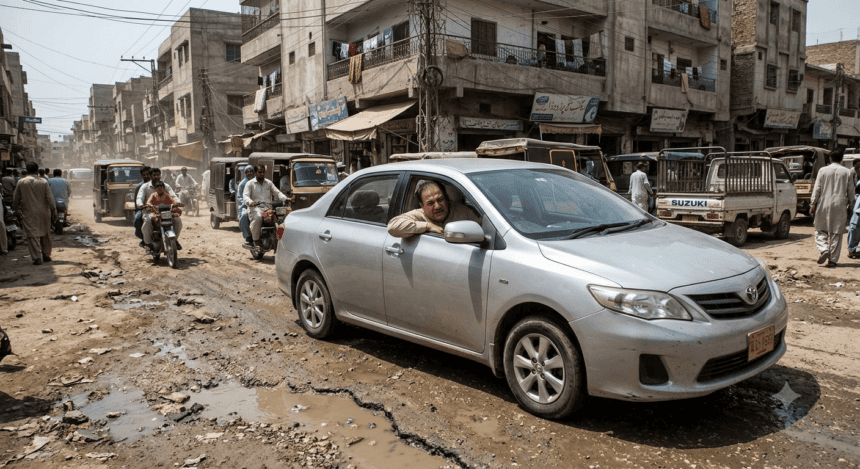
For residents, this isn’t just a political soundbite. Karachi’s road network has been plagued by massive potholes, exposed manholes, and open sewage lines for years. These aren’t just aesthetic issues; they are daily obstacles that wreck vehicle suspensions and contribute to the city’s notoriously high traffic congestion.
Ali’s hyperbolic claim highlights a deeper frustration shared by many who traverse the city’s arterial routes. When a former federal minister publicly highlights the physical toll of the city’s infrastructure, it signals that the dysfunction has reached a level that even the political elite can no longer ignore.
The provincial administration has yet to issue a formal rebuttal to his specific medical grievances. However, the optics of the situation are clear: Karachi’s infrastructure is failing, and it’s become a convenient, high-profile target for political rivals looking to expose the cracks in the status quo.
Whether these comments lead to any tangible repair work remains unlikely, as the cycle of blame between stakeholders continues to move faster than the city’s traffic.