
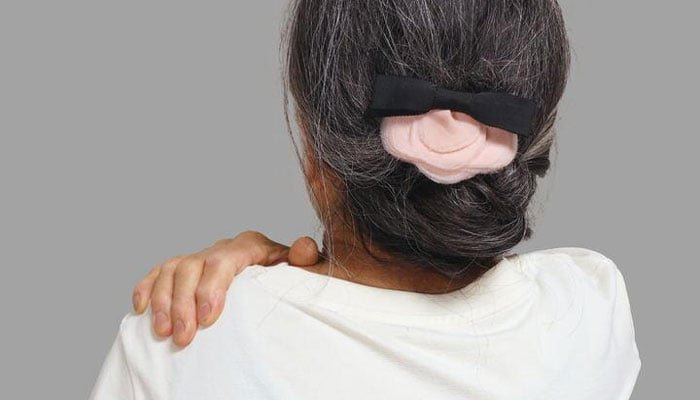
Shoulder pain is a common symptom among middle aged and older individuals. This pain is usually caused by issues in the muscle tendons that move the shoulder joint and connect the arm to the body.
Health experts say that many people do not feel any shoulder pain even when there are problems in these tendons, which has led to ongoing debate about whether abnormalities seen in imaging are actually the true cause of pain.
A recent study published in the medical journal JAMA Internal Medicine examined abnormalities in the tendons responsible for shoulder movement in healthy individuals.
The study included 602 healthy individuals aged 40 years or older from Finland. After assessing the presence of shoulder pain, high resolution MRI scans of both shoulders of all participants were conducted to detect any abnormalities.
The results showed that 98.7 percent (595 individuals) had abnormalities in the tendons responsible for joint movement. Among them, 25 percent had tendon inflammation, 62 percent had partial tears, and 11 percent had complete tears. These abnormalities increase with age, and tendon tears are the most common issue.
Among individuals who experienced shoulder pain, 98 percent had tendon abnormalities. However, surprisingly, 96 percent of those who reported no pain also had such abnormalities. Out of 96 cases of complete tendon tears, 78 percent of individuals showed no symptoms.
According to experts, as people age and continue to use their arms, inflammation can develop in shoulder tissues or tendons, leading to swelling, and increased stress may result in partial or complete tears.
The study suggests that not every abnormality seen in imaging should be considered a disease. Just as graying hair is a natural part of aging, some changes in shoulder tissues in middle aged and older individuals are also a natural result of aging.
Partial tearing of shoulder tissues is not necessarily a cause for concern. Although treatment may vary for each patient, rehabilitation and careful use of the shoulder can often help maintain its function.