
KARACHI: Afghanistan is facing a worsening humanitarian and economic crisis, with millions of families struggling to survive amid hunger, rising debt, and mass returns of refugees from neighboring countries, the United Nations warned on Wednesday.
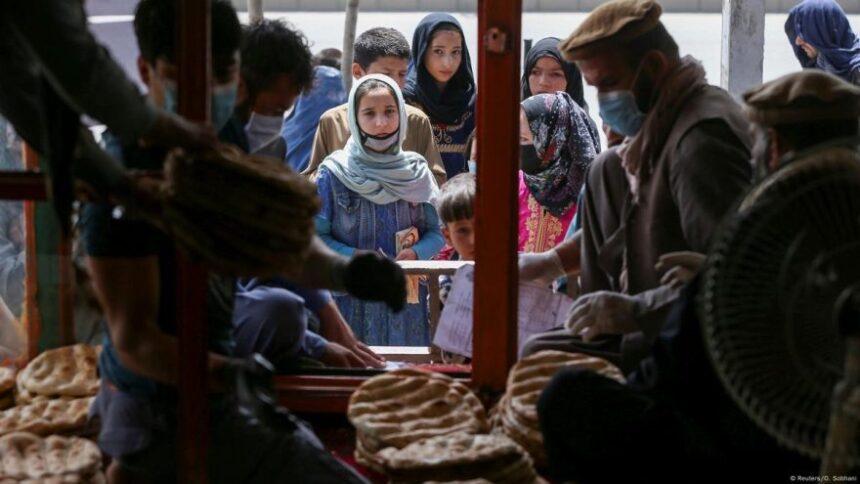
According to a new UN Development Programme (UNDP) report, nine out of ten Afghan households are skipping meals, selling possessions, or taking on loans just to get by. The fragile economy, already reeling from years of conflict and disasters, is now under added pressure as over 4.5 million Afghans mostly from Pakistan and Iran have returned home since 2023, increasing the population by nearly 10 percent.
The crisis has worsened since Pakistan’s October order for undocumented migrants to leave, which has sent more than 345,000 Afghans back to their homeland or into deportation camps. The report added that earthquakes, floods, and droughts have destroyed around 8,000 homes, overwhelming Afghanistan’s already weak public services.
A UNDP survey of 48,000 households found over half of returnees skipped medical treatment to afford food, while 45 percent rely on unsafe water sources. Nearly 90 percent of returnee families are trapped in debt, owing amounts between $373 and $900 up to five times their average monthly income of just $100.
In provinces hosting large numbers of returnees, schools and jobs are scarce. One teacher is often responsible for 70 to 100 students, and 30 percent of children are forced to work. Joblessness among returnees stands at a staggering 95 percent, and rents have tripled in some urban areas.
The UNDP warned that without immediate international aid and livelihood support, Afghanistan risks sinking deeper into “overlapping crises of poverty, exclusion, and migration.” Donor funding has sharply declined since 2021, covering only a fraction of the $3.1 billion the UN requested for humanitarian needs this year.
Adding to the crisis, female labour force participation has dropped to just 6 percent one of the lowest in the world due to strict restrictions under Taliban rule. Many women-headed households, which make up over a quarter of returnee families in some districts, face the highest risks of hunger and displacement.
“In some provinces, one in four households depend on women as the main breadwinner. When women are barred from working, it’s not just families that suffer it’s the whole country,” said Kanni Wignaraja, UN Assistant Secretary General and UNDP Regional Director for Asia and the Pacific.
The UN urged the global community to sustain humanitarian aid and support economic resilience in Afghanistan to prevent further collapse of livelihoods and essential services.