The mercury in London hit 32°C on a Tuesday in July, marking the third heatwave in as many years. For decades, an English summer meant a mix of mild drizzle and occasional sunshine. That seasonal rhythm has collapsed.
Met Office data paints a stark picture: the UK’s ten warmest years on record have all occurred since 2003. This isn’t just about a few hot days. It’s a fundamental shift in the climate that is forcing the country to rethink its infrastructure, its agriculture, and its very identity.
“We aren’t built for this,” said Dr. Elena Rossi, a climate researcher at the University of Reading. “Our homes are designed to trap heat, our rail tracks buckle under extreme temperatures, and our water management systems are decades behind the reality of these recurring droughts.”
The impact reaches far beyond discomfort. Last year’s record-breaking heat cost the national economy millions in lost productivity and emergency infrastructure repairs. Farmers, meanwhile, are abandoning traditional crops as the soil dries out faster than the rainfall can replenish it. The iconic “green and pleasant land” is turning brittle and brown by mid-July.
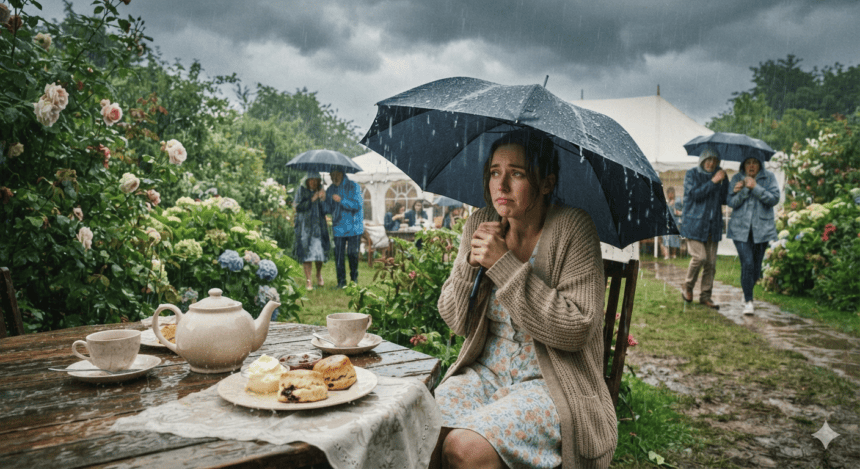
Public sentiment is shifting, too. The nostalgia for the quintessential English summer—the garden party, the moderate warmth, the predictable weather—has been replaced by a growing anxiety. Every heat alert now brings a sense of foreboding rather than excitement.
Government policy remains a point of contention. While the Department for Environment, Food and Rural Affairs has introduced new water-saving guidelines, critics argue these are stop-gap measures. They say the country lacks a cohesive strategy to adapt to a reality where 30°C-plus days are becoming the new seasonal baseline.
The shift is no longer a forecast or a distant warning. It is a daily reality for millions. As the asphalt softens and the air conditioning units proliferate in homes that were never meant to have them, the old English summer is becoming a memory—relegated to history books and the fading postcards of a cooler era.