

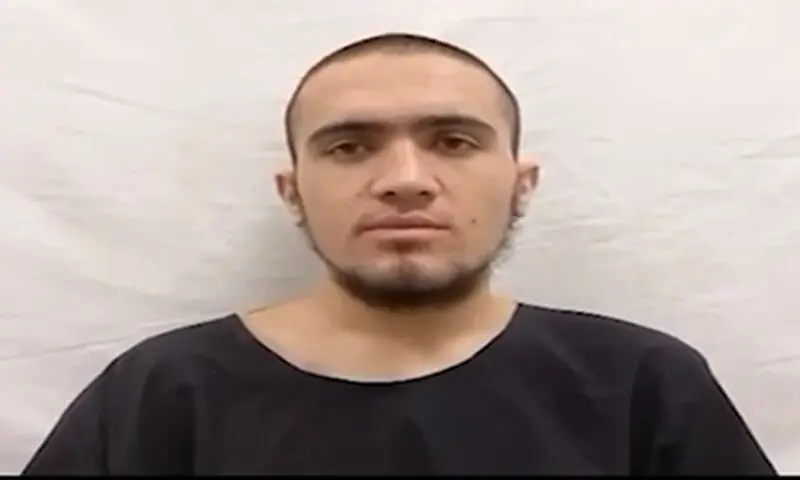
A Frontier Corps operation in South Waziristan has uncovered links between Afghan Taliban elements and an extremist group referred to in local reports as Fitnah al-Khawarij, officials say. During the raid, security forces detained a suspected suicide attacker whose confessions have provided fresh — and troubling — details about recruitment and training networks that use young Afghans.
According to security sources quoted by the Associated Press of Pakistan (APP), the suspect has been identified as Nematullah son of Musa Jan, described as a resident of Kandahar and a student at the Kandahar Jouhriya madrassa. Officials say Nematullah told investigators that he and around 40 others assembled in Khost, crossed into Pakistan via Chawar, and reported to a training hub in the Barwand area of South Waziristan.
Nematullah reportedly named a local commander, Umar Hamas, as the man who organised and led training sessions. He said the course for vehicle-borne and checkpoint attacks normally lasted three months; he himself received roughly a week of instruction. The detainee described a 20-strong cell made up mostly of teenagers and young men aged roughly 18–22.
Crucially, Nematullah told interrogators that hearing the call to prayer while in the camp prompted moral doubts: he realised Pakistani soldiers are fellow Muslims and said that carrying out an attack against them would be forbidden. Security sources say this acknowledgement underlines how religious messaging is used to radicalise vulnerable youths before sending them to fight across the border.
Authorities say the arrest and the suspect’s statement expose a disturbing pattern: young Afghan recruits are being targeted for violent missions, with training and logistical support provided across the frontier. The Frontier Corps and other security agencies are continuing investigations to dismantle the networks involved and to trace those responsible for recruiting and directing the militants.
The detained man’s disclosures add urgency to calls from local leaders and rights groups for stronger efforts to protect children and young people from exploitation by armed groups — and for measures that tackle the causes driving recruitment in the first place.