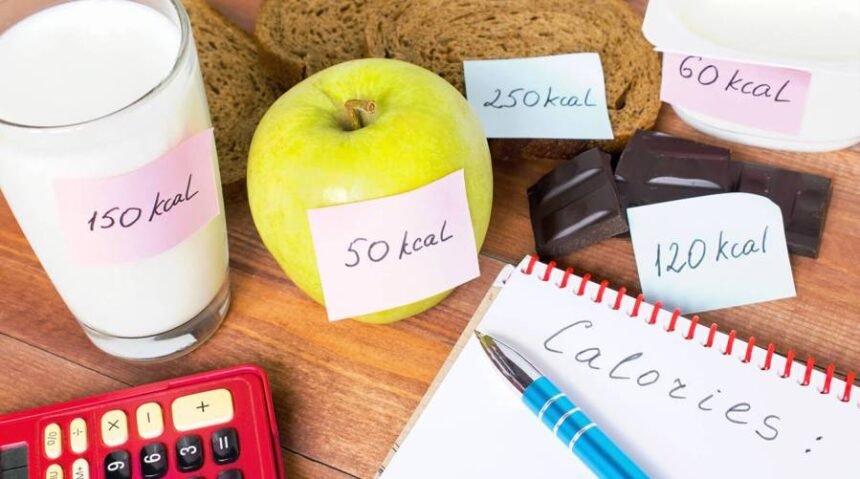
Calorie counting has long been considered a go-to strategy for people aiming to lose weight. The concept is simple — track how many calories you eat to create a calorie deficit, which means consuming fewer calories than your body burns. But while calorie counting can be helpful, it’s not the only factor that determines successful and sustainable weight loss.
Understanding calorie counting and its benefits
Calorie counting involves recording what you eat on paper, online, or through an app. This practice helps identify eating patterns, set a baseline, and motivate lifestyle adjustments. Research published in 2019 and 2021 found that tracking dietary habits, weight, and physical activity is strongly associated with greater weight loss success.
By counting calories, individuals can:
- Understand their eating patterns more clearly
- Identify calorie-dense foods contributing to weight gain
- Make informed adjustments to food choices
- Stay accountable and motivated toward goals
However, calorie counting is not mandatory for weight loss. The ultimate goal is maintaining an energy deficit — consuming fewer calories than the body needs.
Why calorie quality matters as much as quantity
Not all calories are equal in nutritional value. For instance, 100 calories from an apple will nourish the body differently than 100 calories from a donut. Whole foods like fruits, vegetables, lean proteins, and whole grains provide essential nutrients and keep you full longer, reducing the likelihood of overeating.
In contrast, processed foods high in refined carbs, sugar, and unhealthy fats can spike hunger and lead to consuming excess calories. Therefore, focusing solely on calorie numbers without considering nutritional quality can hinder progress.
Potential downsides of calorie counting
While calorie tracking may aid some, it can negatively affect others — especially individuals with a history of eating disorders. Studies show that calorie-tracking apps may contribute to obsessive behaviors, guilt, or anxiety around food.
If calorie counting feels stressful or unhealthy, consider alternative approaches such as intuitive eating. This method encourages listening to your body’s hunger and fullness cues rather than focusing on numbers.
Smarter ways to track your food intake
If you decide to try calorie counting, accuracy is key. Use measuring cups or digital scales for portion control and record your meals consistently. Apps can simplify this process, but it’s essential to remember that tracking offers only a quantity perspective.
For a healthier and more balanced approach, aim to fill your plate with:
- Fresh fruits and vegetables
- Whole grains and legumes
- Lean proteins
- Healthy fats like nuts and seeds
Processed foods can be included in moderation, but nutrient-rich whole foods should remain the foundation of your diet.
The bottom line
Creating a calorie deficit is necessary for weight loss, but calorie counting isn’t for everyone. Sustainable results come from focusing on food quality, balanced nutrition, and overall well-being. Those with a history of disordered eating should avoid strict calorie tracking and consult a healthcare professional or registered dietitian for personalized guidance.
Calorie counting can be an effective tool — but only when used mindfully, paired with healthy eating habits, and guided by professional advice.