Personal hygiene is an important part of growing up. For girls, developing good hygiene habits can support skin health, menstrual health, comfort and overall wellbeing. These habits do not need to be complicated. Simple daily routines can make a big difference and help girls feel confident as they move through different stages of life.
Why Personal Hygiene Matters
The body naturally produces sweat, oils and other substances throughout the day. Without regular cleaning, bacteria can multiply and cause unpleasant odours, skin irritation or infections.
Good hygiene helps remove dirt and excess sweat while keeping the skin and other sensitive areas clean. It also teaches girls to understand their bodies and take responsibility for their own health.
Daily Bathing and Skin Care
Regular bathing or showering helps remove sweat, dirt and bacteria from the skin. Areas such as the underarms, feet and skin folds may need particular attention because they tend to become warm and moist.
Girls should use clean water and, when needed, a mild cleanser. Very strong soaps, perfumes or products designed to create a strong fragrance can irritate sensitive skin.
After bathing, the body should be dried properly, particularly in areas where moisture can remain trapped.
Intimate Hygiene: Keep It Simple
The external genital area should be cleaned gently with water. If soap is used, it should be mild and used only externally.
The vagina has its own natural cleaning system, so douching or using scented products inside the vagina is unnecessary and may disturb the natural balance of bacteria.
Girls should also avoid heavily fragranced sprays, powders or wipes around sensitive genital skin if they cause irritation.
Menstrual Hygiene Is Essential
Periods are a normal part of growing up, and learning proper menstrual hygiene is an important part of caring for the body.
During menstruation, girls should:
- Change sanitary pads regularly according to their flow and the product instructions.
- Wash their hands before and after changing menstrual products.
- Wrap used disposable products before putting them in a bin.
- Keep reusable menstrual products clean and follow their manufacturer’s cleaning instructions.
- Wear clean, breathable underwear.
- Continue normal bathing during periods.
Poor menstrual hygiene can contribute to irritation and discomfort, while lack of access to appropriate menstrual products can also affect school attendance and daily activities.
Choose Clean and Comfortable Underwear
Underwear comes into direct contact with sensitive skin, so it should be changed regularly and washed properly.
Breathable fabrics such as cotton can help reduce excessive moisture. Tight or damp clothing should not be worn for long periods, particularly after exercise or swimming.
Changing out of sweaty clothes after physical activity can also help prevent skin irritation.
Don’t Forget Oral Hygiene
Personal hygiene also includes taking care of the mouth and teeth.
Girls should brush their teeth twice a day with fluoride toothpaste and clean between their teeth regularly. Good oral hygiene helps prevent tooth decay, gum problems and bad breath.
Regular dental check-ups are also important for maintaining healthy teeth and gums.
Hair and Scalp Care
Hair does not necessarily need to be washed every day. How often it should be washed depends on the person’s hair type, scalp and activity level.
Regular washing can remove excess oil, sweat and buildup. Girls who exercise frequently may need to wash their hair more often.
Sharing combs, brushes, towels or other personal items can also spread certain infections, so personal grooming items are best kept individual.
Handwashing Is One of the Most Important Habits
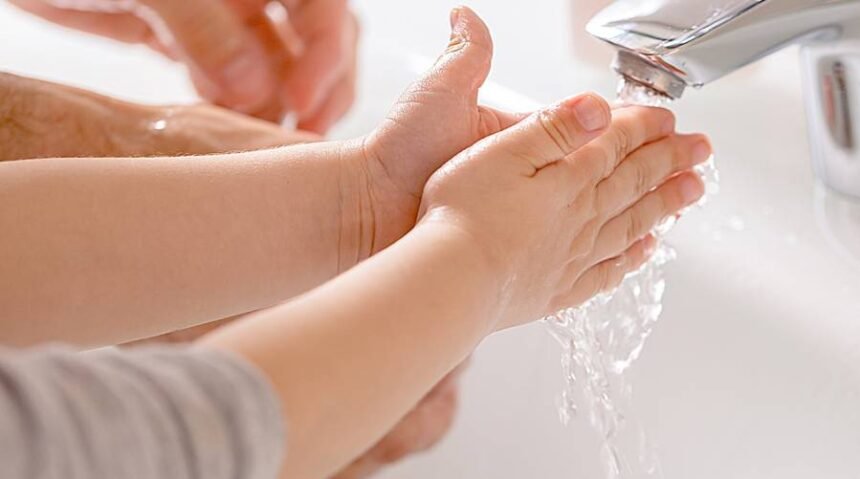
Hands come into contact with countless surfaces throughout the day. Washing them with soap and clean water can reduce the spread of germs.
Handwashing is particularly important:
- Before eating or preparing food
- After using the toilet
- After changing a menstrual product
- After coughing or sneezing
- After touching animals
- After returning home from public places
When soap and water are unavailable, an appropriate alcohol-based hand sanitiser can be used.
Hygiene During Exercise
Sports and physical activity are excellent for health, but sweating can leave the skin damp for extended periods.
After exercising, girls should change out of sweaty clothes, shower when possible and wear clean underwear and clothing. This can help reduce unpleasant odour and skin irritation.
Feet also deserve attention. Keeping them clean and dry and changing socks regularly can help reduce the risk of fungal problems.
Personal Hygiene Is Also About Mental Wellbeing
Hygiene is not only about preventing illness. Feeling clean and comfortable can improve confidence and self-esteem.
Parents, teachers and caregivers should discuss hygiene with girls without embarrassment or shame. Puberty brings many physical changes, and girls should have accurate, age-appropriate information about menstruation, body odour, skin changes and intimate hygiene.
When Should a Girl See a Doctor?
Certain symptoms should not simply be blamed on poor hygiene. Medical advice may be appropriate if a girl experiences persistent itching, unusual discharge, strong unexplained odour, painful urination, sores, swelling or significant menstrual problems.
A healthcare professional can identify the underlying cause and recommend appropriate treatment.
Building Healthy Habits for the Future
Personal hygiene is something girls can learn gradually. Keeping a few simple habits consistent—regular bathing, clean clothes, proper menstrual care, handwashing, oral hygiene and gentle intimate care—can support health throughout childhood, adolescence and adulthood.
The goal is not perfection. It is helping girls understand that caring for their bodies is a normal and important part of caring for themselves.
Conclusion
Teaching girls about personal hygiene is an investment in their health and confidence. With the right knowledge, supportive guidance and access to basic hygiene products, girls can develop habits that protect their wellbeing today and help them care for their bodies confidently in the future.