

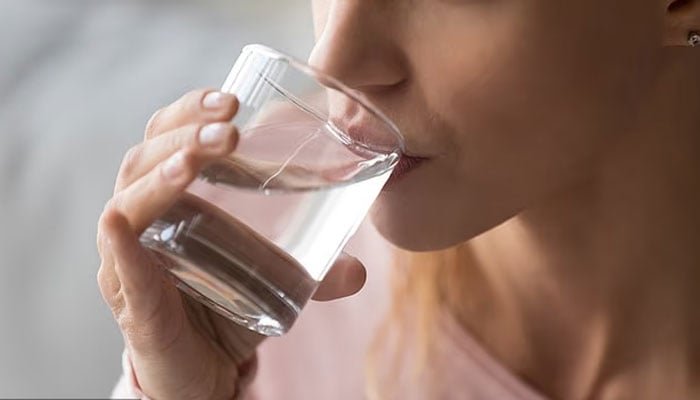
Health experts say that when it comes to dehydration or lack of water in the body, whether you prefer plain tap water or sparkling water does not make a difference, it is highly likely that you are not as hydrated as you think.
Dehydration occurs when the amount of water lost from the body through sweating, urination, and basic bodily functions such as breathing is greater than the amount of water or fluids consumed.
Since the human body is composed of about 70 percent water, a deficiency can have serious effects, and if not addressed over a long period, it can even prove life threatening.
In the United Kingdom, it is concerning that a large portion of the population can be classified as dehydrated. Some online sources even claim that more than half of the people in the UK consume less water than the recommended daily amount.
The UK’s National Health Service (NHS) recommends that adults should aim to drink approximately two to two and a half liters of water daily. This amount also includes water present in squash, fruit juices, milk, tea, and coffee.
According to British nutrition expert Jenna Hope, certain fruits and vegetables can also contribute to daily water intake. She says cucumber contains the highest water content among vegetables, while tomatoes and celery are also rich in water.
Among fruits, melon, watermelon, and pineapple also contain high amounts of water, but due to their sweetness, they should be consumed in moderation.
Despite the availability of various ways to maintain proper hydration, millions of people fail to meet the required daily intake, putting them at risk of illness, ranging from constipation to severe conditions like coma.
Another concern regarding dehydration is its link to how the body responds to stress. Research on the relationship between water intake and stress hormones has found that dehydration increases the risk of heart disease, kidney problems, mood disorders, and diabetes.