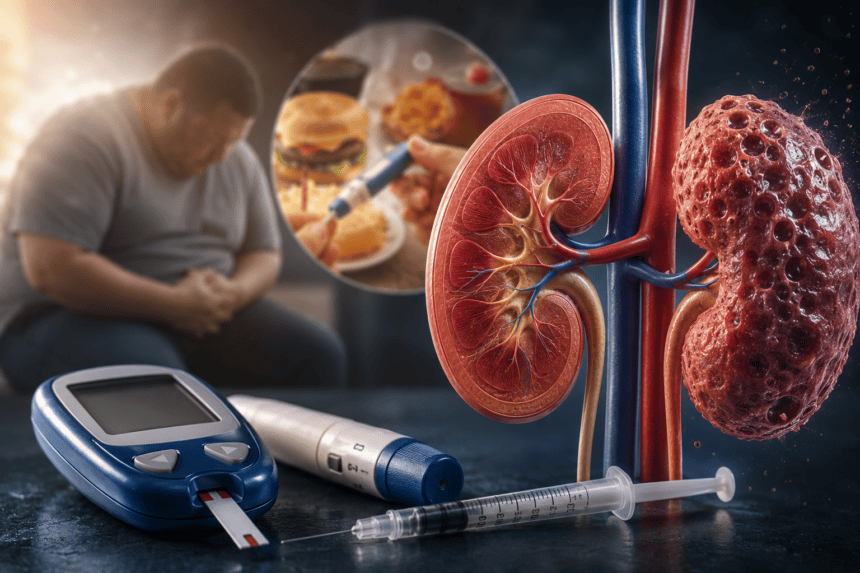
Chronic kidney disease (CKD) is no longer just an aging issue. It is becoming a direct byproduct of the global diabetes epidemic, with new research revealing that rising blood sugar levels are fueling a sharp spike in renal failure cases among younger populations.
The study, published this week, points to a clear, dangerous link: as metabolic health declines, the kidneys are failing at record speeds. Doctors are no longer seeing patients in their 70s for dialysis; they are seeing them in their 40s.
“We are seeing a shift in the patient profile,” said Dr. Aris Thorne, a lead researcher on the project. “The traditional view of kidney disease as a slow, age-related decline is being replaced by a rapid, diabetes-induced crisis. It’s a systemic failure of prevention.”
The data highlights a grim reality for healthcare systems. Patients with uncontrolled type 2 diabetes are nearly three times more likely to develop end-stage renal disease than those without the condition. The strain on dialysis centers has grown by 15% in the last three years alone, a surge that hospitals are struggling to manage.
For many, the problem starts with a lack of early screening. By the time a patient presents with symptoms like fluid retention or fatigue, the damage to the nephrons is often permanent. The study suggests that routine glucose monitoring, paired with aggressive blood pressure management, could prevent at least 40% of these cases if caught in the pre-diabetic stage.
“It’s not just about medication,” noted Sarah Jenkins, a renal specialist involved in the study. “It’s about the fact that we’ve normalized high blood sugar. We treat the diabetes, but we ignore the kidneys until they’re already failing.”
The economic impact is equally stark. With dialysis costs rising and the workforce aging, the long-term burden on public health budgets will hit a breaking point within the decade.
For the average patient, the message is blunt: blood sugar control is no longer optional. It is the single most important factor in keeping the kidneys functional. Without a shift toward aggressive, early intervention, the current trajectory suggests a generation facing chronic organ failure before they reach retirement age.