
Health experts have identified early signs of bowel cancer that appear in the mouth.
It should be noted that in the United Kingdom, someone is diagnosed with bowel cancer every 12 minutes and around 17,000 people die from the disease each year. This type of cancer is also called colorectal cancer and it is the second leading cause of cancer related deaths in the UK.
Although changes in bowel habits and abdominal pain are considered the most well known early symptoms, research has also found that changes occurring in the mouth may also be linked to the risk of bowel cancer.
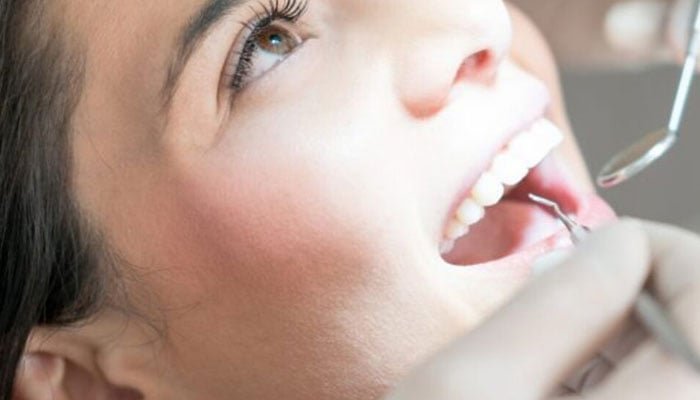
Dr Mark Burhenne of The Sleep Dentist Online warned that common dental problems may actually indicate an imbalance in the oral microbiome. The microbiome refers to the system of beneficial bacteria present in the mouth.
When harmful bacteria dominate this system, analysis shows that it may be linked to an increased risk of bowel cancer. Some harmful bacteria in the mouth can reach the intestines where, according to research, they can cause inflammation, which in some cases may promote the development of cancer.
Not brushing and flossing teeth properly, smoking, excessive alcohol consumption, and a diet high in sugar and low in fiber can disrupt this delicate balance.
According to a research report published in the International Journal of Cancer, women who have fewer teeth or suffer from gum disease have a slightly higher risk of bowel cancer, particularly in the upper parts of the colon.
According to Dr Burhenne, some common dental problems may indicate changes in the bacteria present in the mouth, which may potentially be linked to an increased risk of colon cancer.
These include bleeding gums, swelling or receding gums. Most people know that bleeding while brushing teeth can be a sign of gum disease. However, research suggests that gum disease may be linked to changes in intestinal health, although it is not a direct warning of bowel cancer.
When gums bleed during brushing, it means there is infection and inflammation present, which allows harmful bacteria to enter the bloodstream and reach the digestive system through swallowing.
People with gum disease have a 17 to 21 percent higher risk of precancerous colon polyps. Bleeding is not only a symptom, but it also contributes to the problem.
According to Dr Burhenne, this condition is almost symptomless, which is why it often remains unnoticed for years. In addition, bad breath may be linked to a bacterium called Fusobacterium nucleatum. This bacterium is found in the mouth, is also associated with gum disease, and has been found in some colon cancer tumors, and in large amounts in certain bowel cancer tumors.
A white or yellow coating on the tongue usually forms due to the accumulation of bacteria, debris or dead cells. This happens due to poor oral hygiene, dehydration or dry mouth. While it may reflect changes in the oral microbiome, it may also potentially be linked to the risk of bowel cancer. He said that this coating is actually a reservoir of bacteria.
People who have lost four or more teeth, often due to untreated gum disease over many years, have been found to have about a 20 percent higher risk of colon polyps related to cancer.