
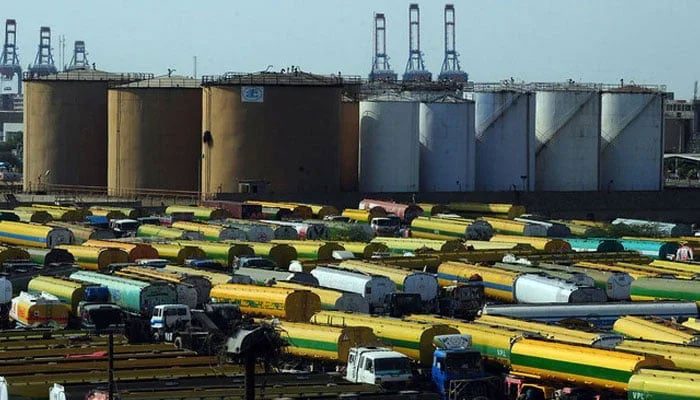
A nationwide fuel shortage is feared after the Sindh government enforced a 1.8% Infrastructure Development Cess on petroleum imports, delaying the clearance of oil shipments at Karachi Port. Experts warn fuel prices may rise by more than Rs3 per litre, directly affecting consumers.
The Oil Companies Advisory Council (OCAC) has written to Sindh Chief Minister Murad Ali Shah, urgently requesting the release of petroleum cargo stuck at the port. Oil tankers, including PSO’s MT Islam 2 and MT Hanifa, are waiting for customs clearance, while oil stocks at Keamari Terminal are rapidly decreasing.
OCAC warned that if cargo from Wafi Energy and Parco arriving on Tuesday is not cleared, the situation could worsen. They stressed that the agriculture season is ongoing, and any break in the fuel supply chain could bring transportation and farming activities to a standstill. Even after resolution, it may take up to two weeks to restore normal fuel supply nationwide.
Meanwhile, the Oil Marketing Association of Pakistan (OMAP) also alerted the federal government to the potential crisis. It said the 1.85% cess and new bank guarantee requirement would block working capital, stop oil imports, and could lead to fuel pump dry-outs across the country.
OMAP Chairman Tariq Wazir Ali urged Energy Minister Ali Pervez Malik to immediately intervene and negotiate with the Sindh government. He warned that delays in sales tax refunds, foreign exchange losses, and low profits have already put oil companies under financial stress. The new rules, he said, are a “serious threat” to the national petroleum supply chain.
Both OCAC and OMAP stressed that without quick government action, the country could face a severe fuel shortage, damaging the economy, transport, agriculture, and industries.
The Sindh government has not yet issued a response.