
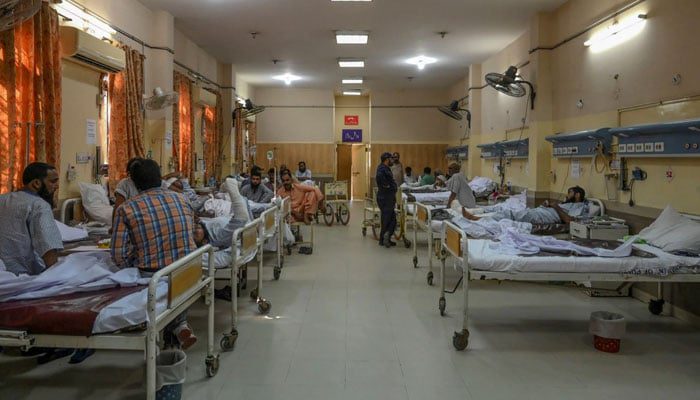
The Pakistan Medical Association has declared the current health situation in the country a national medical emergency, revealing that the healthcare system is rapidly heading toward collapse.
These views were expressed by speakers during a press briefing at PMA House. Leaders of the Pakistan Medical Association said the briefing was not called for routine policy discussion but to demand the declaration of a national medical emergency, as the public health system is becoming paralyzed.
They said Pakistan’s population has exceeded 257 million, while government spending on health is less than one percent of GDP. Contrary to the standards recommended by the World Health Organization, there is only one nurse for every 2500 patients in Pakistan.
The speakers said that more than 3000 specialist doctors have left the country in 2025. In rural areas, 45 percent of basic health units are non functional, while in cities doctors face violence in emergency wards.
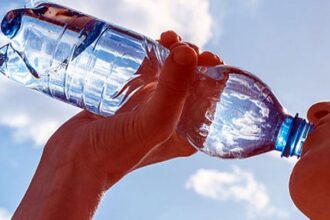
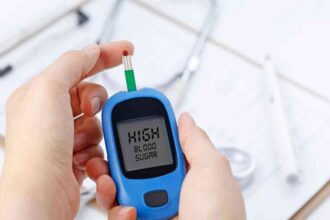
The PMA said that 40 percent of patients admitted to major city hospitals fall ill due to contaminated water. Diseases such as polio and XDR typhoid are re emerging. There are 34 million people suffering from diabetes in the country, and the highest rate of breast cancer in Asia.
The speakers said that Lahore’s Air Quality Index has reached 501. Every day, 675 newborns and 27 mothers die due to preventable causes.
PMA officials said that after deregulation of medicine prices, the cost of blood pressure, diabetes, and asthma medicines has increased by 45 percent. There is a shortage of 80 essential medicines including insulin, and DRAP has failed to play an effective role.
The PMA demanded that the health budget be increased to at least three percent of GDP, prices of life saving medicines be frozen, violence against healthcare workers be declared a non bailable offense, and provision of clean water be made a national priority.
The speakers demanded that PMDC be made a transparent institution, a National NCD Commission be established by imposing taxes on tobacco and sugary drinks, security and incentive packages be provided for nurses and rural doctors, and strict regulation of essential medicine prices be enforced.