
November 22, 2025
Web desk
ST. LOUIS: After the brutal January 4 to 6 winter storm that buried the St. Louis region under heavy snow, sleet, and ice, weather experts are revisiting an old question: can nature warn us before dangerous weather hits?
Dan Zarlenga from the Missouri Department of Natural Resources says yes at least to a degree. He explains that certain natural signs have long been used as early indicators of harsh weather. Thicker-than-usual corn husks, plentiful acorns on the ground, squirrels aggressively storing nuts, the patterns inside persimmon seeds, fuzzy “woolly worms,” even the color of a turkey’s breastbone all have been tied to seasonal shifts. Groundhog behavior, he notes, tends to be more reactive than predictive, but still tells us something about changing conditions.
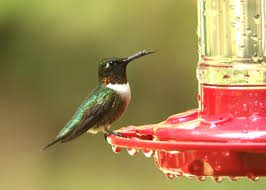
According to Zarlenga, animals that rely on the outdoors for survival are often more sensitive to subtle environmental changes than humans. Their behavior sometimes overlooked can offer small but meaningful hints about approaching severe weather.