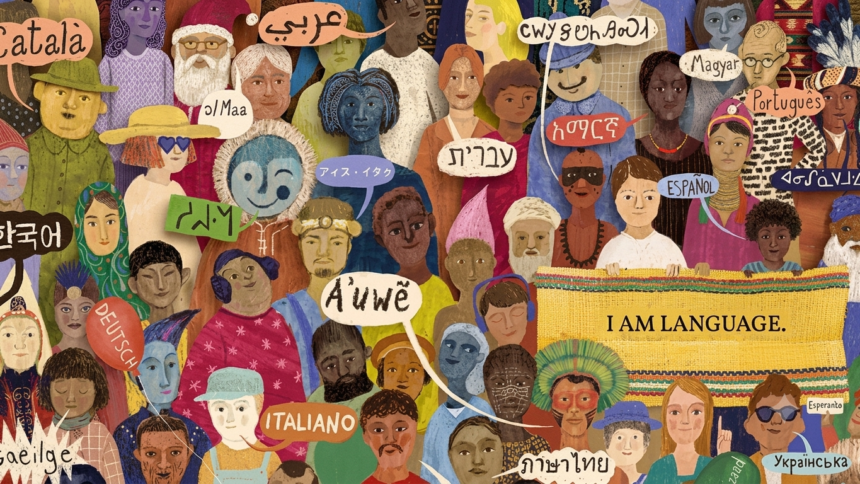
A new study suggests that humans may have spoken thousands more languages around 3,000 years ago than are spoken today, highlighting the dramatic loss of linguistic diversity over the course of human history.
Researchers believe that many ancient languages disappeared as populations migrated, communities merged and larger political powers expanded. The spread of empires, trade networks and dominant cultures may have gradually replaced smaller local languages.
The study highlights how languages can disappear when communities become smaller or are absorbed into larger societies. In many cases, languages may have vanished without leaving written records, making it difficult for researchers to determine exactly how many once existed.
Linguists have long warned that many of the world’s languages remain vulnerable to extinction. When a language disappears, communities can lose more than a means of communication, as languages often carry unique traditions, histories, cultural knowledge and ways of understanding the world.
The findings suggest that the number of languages spoken by ancient human populations may have been far greater than previously estimated. Researchers say the study provides new insight into the long-term evolution of human communication and the forces that shape linguistic diversity.
The research also highlights the importance of documenting and preserving endangered languages before they disappear.