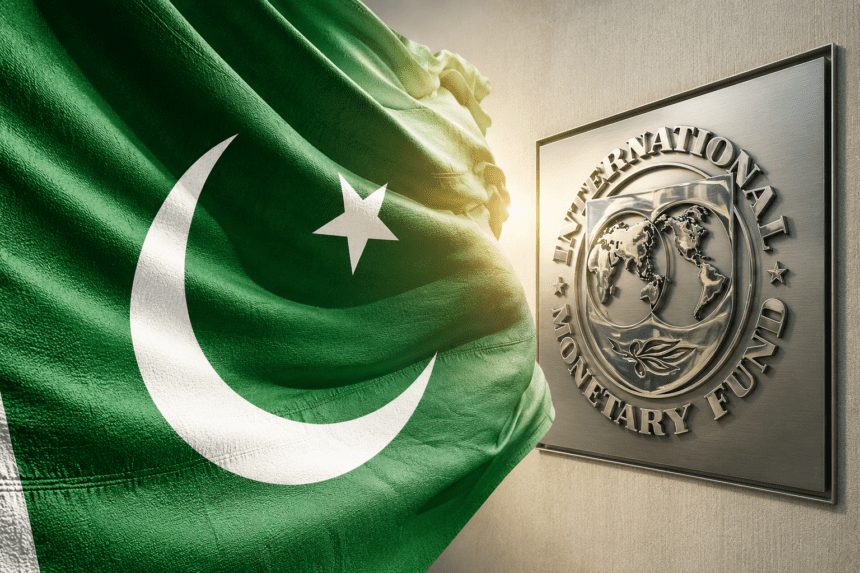
Islamabad: Pakistan’s provinces are being asked to raise more than Rs400 billion in additional taxes in the 2026-27 budget, as the federal government tries to lock in a fiscal framework that matches its commitments to the International Monetary Fund. The push came in a virtual meeting chaired by Finance Minister Muhammad Aurangzeb, where provincial governments were given fresh net revenue targets for the next fiscal year.
The number is not random. The IMF’s latest staff report says provincial budgets are expected to contribute an additional 0.3 percentage points of GDP to the tax-to-GDP ratio in FY27, alongside separate federal revenue measures of the same size. In practical terms, Pakistani officials and media reports have translated that provincial share into roughly Rs430 billion, which is why the current discussion is centered on the “over Rs400 billion” figure.
According to the latest reporting, Sindh has been assigned the biggest chunk, about Rs200 billion, followed by Punjab with roughly Rs175 billion, Khyber Pakhtunkhwa with around Rs45 billion, and Balochistan with nearly Rs20 billion. Officials cited Sindh’s port-linked revenue base as one reason its target is higher than Punjab’s.
Where is the money supposed to come from? Mostly from areas that have long been seen as under-taxed or under-enforced: agriculture income tax, GST on services, property-related taxes, stamp duties, and registration fees. The IMF report is pretty direct on this point. It says provincial revenue mobilization should focus on broadening the GST base on services and enforcing the higher agricultural income tax rates introduced in 2025. It also formally defines provincial tax revenue to include GST on services, stamp duties, property tax, agriculture income tax, and registration fees.
The real pressure point, though, is agriculture. The IMF says agriculture contributes 24.6% of value added in Pakistan but carries an effective tax rate of just 0.3%, making it one of the most under-taxed parts of the economy. It also notes that although agricultural income tax rates were increased in 2025 to better align with taxes on other income, actual revenues still came in below expectations because implementation was slow and enforcement remained weak.
That helps explain the tone of the current budget talks. This is not just about finding new tax handles; it is also about making existing provincial taxes actually work. The federal government has started sharing income-tax and sales-tax return data with provinces to support enforcement, according to the latest report, while Punjab has said it plans to expand GST on services to 40 major cities.
There is a broader squeeze here as well. Express Tribune reported that once the provincial measures are added to federal tax steps and the higher petroleum levy target, the combined additional burden across five budgets could exceed Rs1.1 trillion in FY27. That gives the whole story a sharper edge: the IMF-linked budget strategy is not only about balancing spreadsheets in Islamabad, it is about who pays more, where the state thinks untapped revenue sits, and how much political resistance the provinces are willing to absorb.
For now, the word being used is “urged,” but the direction is pretty clear. The IMF program framework leaves little room for soft promises. Provinces are expected to deliver more revenue, especially from sectors that have historically escaped serious taxation, and the FY2026-27 budget is shaping up as another hard test of whether Pakistan can turn tax reform from a recurring pledge into actual collection.