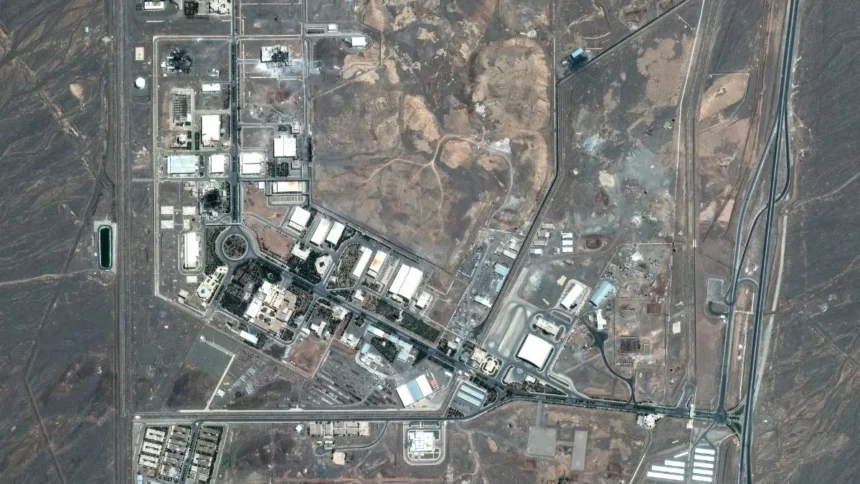
Ir@n said it needs a fresh and safer plan for inspecting its nuclear sites that were damaged during its recent war with Israel. Foreign Minister Abbas Araghchi explained that the usual monitoring methods cannot be used because the facilities were hit by heavy airstrikes and now pose serious risks.
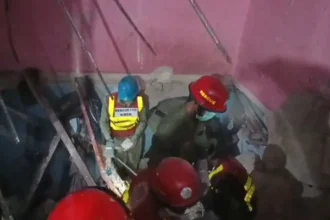
Araghchi told The Economist that Iran faces pressure from Western countries to allow the UN nuclear watchdog, the IAEA, to enter the sites. However, he stressed that the areas contain unexploded missiles, debris, and possible radiation threats, making a new inspection framework essential. He also claimed Iran is receiving warnings of possible US attacks if anyone attempts to approach the facilities.
The crisis began in mid-June when Israel launched an unprecedented bombing campaign on Iran’s nuclear infrastructure, sparking a 12 day conflict. The United States also carried out limited strikes during that period. After the war, Iran sharply limited IAEA access to its nuclear installations.
In September, Iran and the IAEA reached a cooperation framework in Cairo, but the deal collapsed last month. Tehran withdrew after Britain, Germany, and France triggered the reactivation of UN sanctions that were originally lifted under the 2015 nuclear agreement.
On Thursday, the IAEA’s Board of Governors approved a resolution urging Iran to provide “full and prompt” cooperation and grant access to all sensitive nuclear sites.