Iran tightened its grip on the Strait of Hormuz again on April 18, 2026, reversing the brief optimism that followed its earlier statement that the waterway was open to commercial traffic. The new move put the Strait back under what Iran described as “strict management and control” by its armed forces, directly linking the decision to the continuing U.S. blockade on Iranian ports and shipping.
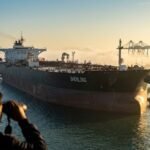
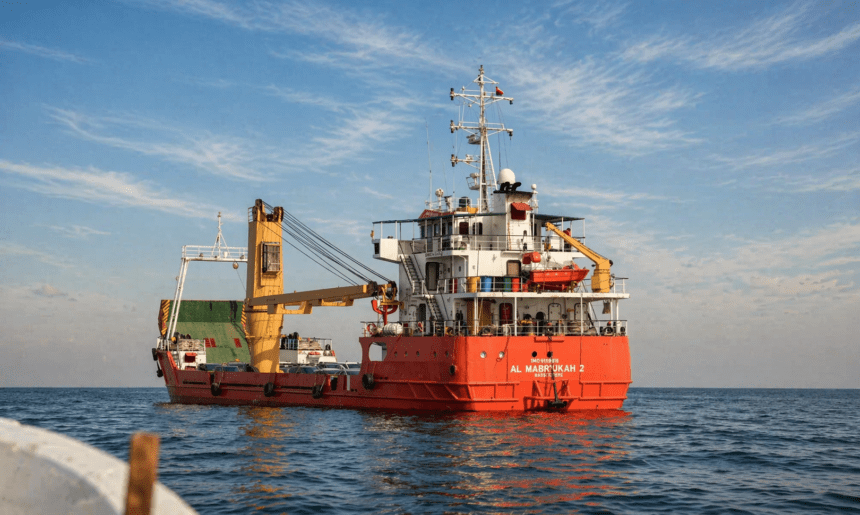
What turned this into a serious maritime escalation, not just a political warning, was the reporting from ships already in the area. Current coverage says vessels in the strait reported gunfire, and at least one tanker was fired on as it tried to pass. Some merchant ships reportedly reversed course mid-transit, showing how quickly the renewed restrictions turned into an operational crisis for commercial navigation.
Iran’s message now is more restrictive than a simple open-or-closed formula. Reporting says Tehran is allowing only authorized commercial vessels, using Iran-designated routes and paying required tolls, to move through the chokepoint. That effectively turns Hormuz into a controlled passage system shaped by military leverage rather than normal international shipping rules.
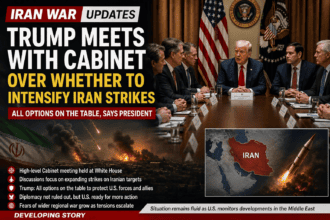
The immediate trigger appears to be Washington’s refusal to back down. President Donald Trump has said the U.S. blockade will remain until Tehran accepts a broader agreement, including terms related to its nuclear program. Iran is now signaling that if its own ports and ships remain under pressure, the strait will not function as though normal commerce has resumed.
That matters far beyond the Gulf. The Strait of Hormuz carries roughly 20% of global oil shipments, so even partial restrictions, gunfire incidents, or sudden reversals in transit rules can hit energy markets immediately. The headline, then, points to something bigger than another exchange of threats: it marks a fresh phase of coercive bargaining at sea, with commercial ships caught in the middle.